Most Bluetooth wallet trackers require no subscription. They piggyback on crowd networks, which means other people's phones do the relay work for free. You pay once for the hardware. The exceptions are GPS-based trackers that need a cellular data plan to report location, which usually means a monthly fee.
Why Bluetooth Trackers Do Not Need a Subscription
Bluetooth trackers broadcast a short-range signal. When another phone running the same app or network software passes within range, it anonymously relays the tracker's location to the cloud. The phone owner does not see your data, and you do not pay for their connectivity. The whole system runs on existing infrastructure: phones that are already everywhere.
Apple's Find My network uses this model. So does the Tile network. So does Google's Find My Device. All of them are free to use once you own the hardware. The business model is selling trackers, not charging for location services.
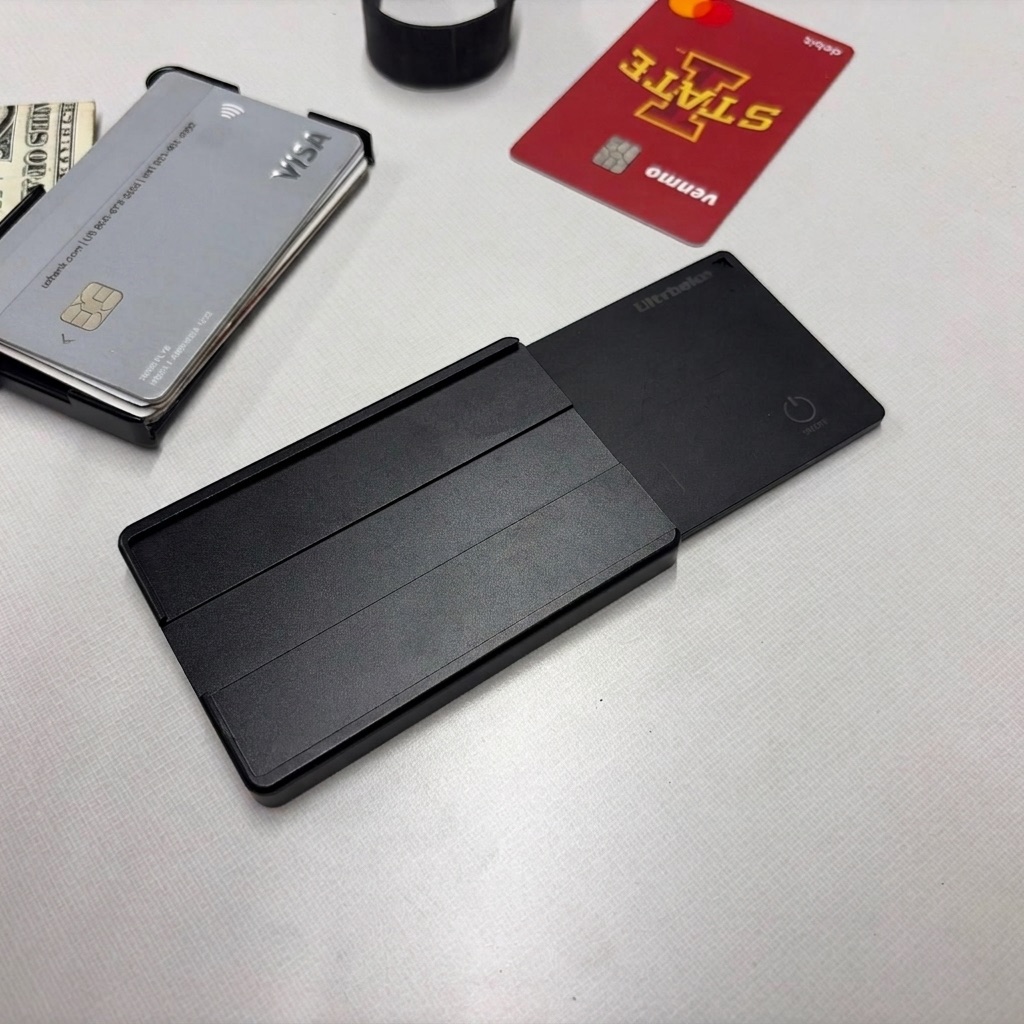
The tracking wallet from The Brik uses this same no-subscription approach. You buy the wallet once, and the card tracker works through the app at no recurring cost.
When a Subscription Is Required
GPS trackers that report their own location need a way to send data back to you. Without Bluetooth crowd-sourcing, they use cellular networks, which means a SIM and a data plan. This is standard for vehicle GPS trackers, pet trackers in rural areas, and luggage trackers marketed for international travel.
Some Bluetooth tracker brands have also introduced premium tiers with features like extended location history or faster refresh rates. These are optional add-ons, not requirements. The core tracking function stays free.
Before buying any tracker, check whether the basic location feature is free or behind a paywall. Some brands bury this in the fine print.
What to Look For in a No-Subscription Tracker
Look for trackers that explicitly state they use Apple Find My, Google Find My Device, or the Tile network without a premium requirement. Check app store reviews for complaints about features being locked behind subscriptions after purchase.
Card-shaped form factor matters for wallets. A tracker that is card-sized fits without adding bulk. One that requires its own pocket or a separate pouch defeats the purpose of slim wallet carry.
For more on how these networks compare in real-world coverage, see Apple Find My vs Tile Network. If you want a wallet with tracking already built in at no recurring cost, the tracking wallet ships with a rechargeable card tracker and no monthly fee.
- Free: Bluetooth crowd networks. Apple Find My, Google Find My Device, Tile. No subscription for basic tracking.
- Not free: GPS with cellular. Requires a monthly data plan to relay location. More accurate but more expensive to own.
- Optional paid tiers. Some brands charge for location history or faster updates. Core tracking usually stays free.
- What to verify. Read the app listing carefully. Look for any language about a premium plan being required for location access.
Quick answers
Is Apple AirTag free to use?
Yes. AirTags use Apple Find My with no subscription. You buy the hardware and the tracking is free as long as you have an Apple ID.
Does Tile require a subscription?
The basic Tile app and core location tracking are free. Tile offers a paid Premium plan with features like location history and smart alerts, but standard tracking does not require it.
Are there wallet trackers that work on both iPhone and Android?
Yes. Some card trackers let you choose your ecosystem at checkout. The Brik tracking wallet lets buyers pick Apple or Android when ordering, so the tracker connects to the right network for your phone.