
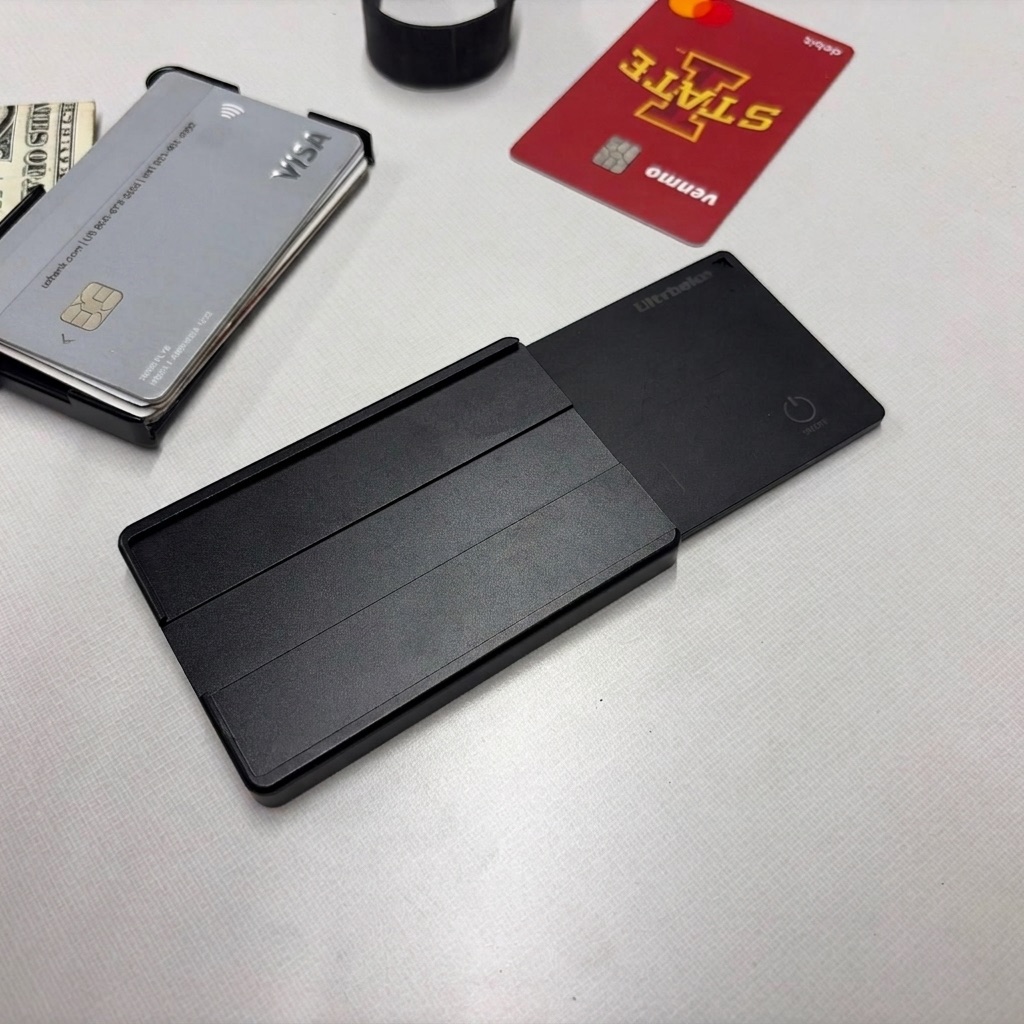
The fastest way to track luggage is to drop a Bluetooth tracker inside your bag before you check it. When your bag is near any phone in that tracker's network, it pings your map. Most travelers get a location update within minutes of landing, even before they reach baggage claim.
Why Luggage Tracking Works Better Than It Used To
A few years ago, Bluetooth trackers had small networks and spotty airport coverage. Today, Apple's Find My network includes hundreds of millions of iPhones. Tile's network has tens of millions of users. Airports, terminals, and baggage handling areas are crawling with phones, which means trackers update frequently.
Airlines have also started their own tracking programs using RFID tags on bags. These can tell you which belt your bag is on, but they do not give you real-time location data or let you ring the bag when it ends up behind the wrong carousel. A personal tracker inside the bag gives you control the airline system cannot.
What to Put a Tracker In
Checked bags are the obvious use case, but carry-ons get left in overhead bins more often than people admit. Putting a tracker in both bags means you are covered if one goes missing in transit or gets gate-checked without your knowledge.
Some travelers also track their wallet along with their bag. The tracking wallet from The Brik keeps your cards, cash, and tracker in one pocket-sized package. If your wallet ends up in a seat-back pocket or a hotel room, you can find it from the same app you use for your bag.
For checked luggage specifically, place the tracker somewhere it will not get flagged by security scans. Most card-shaped Bluetooth trackers clear TSA without issue, but a bulky GPS unit can raise questions.
What Happens When the Airline Loses Your Bag
File the lost baggage report at the airline counter before you leave the airport. Then open your tracking app. If the bag is at the airport, you will likely see a location update within a few minutes as airline staff move through the area.
If your tracker shows the bag is at a completely different airport, you have useful information the airline's system may not have surfaced yet. Screenshot the map location with a timestamp and share it with the airline representative. It speeds things up.
See how crowd-sourced Bluetooth networks compare by reading Apple Find My vs Tile Network for more on which network has better airport coverage.
- Before you fly. Drop a charged tracker in each bag, checked and carry-on.
- At the destination. Open the app before you reach baggage claim to confirm location.
- If the bag is missing. File with the airline and show them the tracker's last location with a timestamp.
- Track your wallet too. A tracking wallet means one less thing to lose in transit.
Quick answers
Is it legal to put a tracker in checked luggage?
Yes in the US. The TSA allows Bluetooth trackers in checked and carry-on bags. Some international airlines have restrictions, so check the airline's policy before flying internationally.
Will the tracker work inside the cargo hold?
The tracker will not update in the hold because there are no phones nearby. But the moment a phone passes within range after landing, it will ping the network and update your map.
Do I need a subscription to track my luggage?
Not with most Bluetooth trackers. Apple AirTags and many card-shaped trackers require no subscription. Some GPS-based luggage trackers do require a monthly cellular plan.