
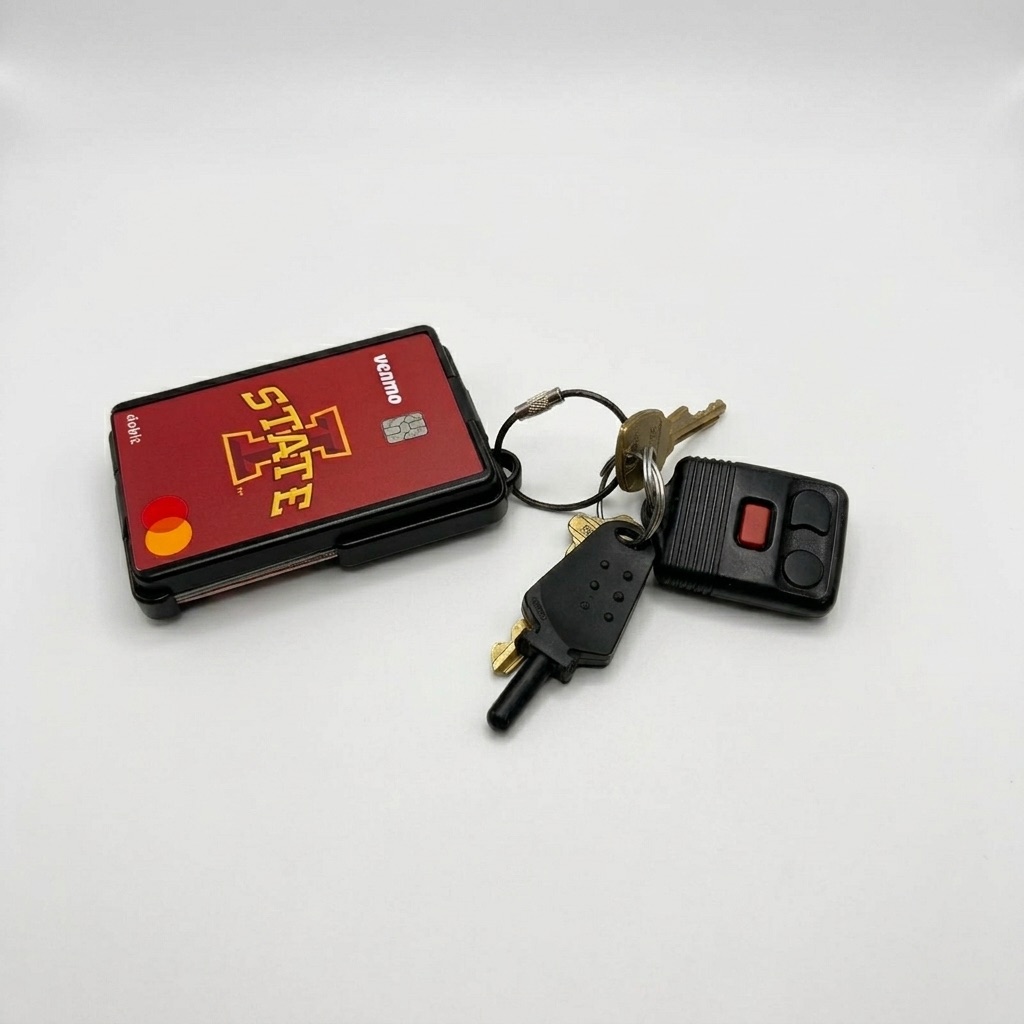
A good slim wallet holds your cards securely, does not stretch out over time, accommodates some cash, and fits in a front pocket without a noticeable bulge. Those four criteria eliminate most of what is sold in this category. Here is how to evaluate each one before buying.
The slim wallet market has exploded in the last five years, which means there is a lot of garbage mixed in with a few genuinely well-made products. A wallet that costs eight dollars on a marketplace site will stretch, crack, or lose its card-retention in three months. Buying twice is not saving money.
Material: What Holds Up and What Doesn't
Aluminum and stainless steel hold their shape indefinitely. They will not stretch, crack, or deform under normal use. The downside is they are harder and heavier than fabric alternatives, though most are still significantly lighter than a loaded bifold.
Full-grain leather is durable but will stretch over time, especially in warm climates or if you overfill it. Nylon and polyester tend to fray at edges. Carbon fiber looks sharp but can be brittle if dropped on a hard surface.
For a wallet you plan to use for years rather than months, rigid materials win. For something you want to feel like almost nothing in your pocket, thin leather or fabric is the tradeoff.
Card Capacity: The Right Range
Four to eight cards is the practical range for a slim wallet. Below four, you will constantly feel like you left something important behind. Above eight, the wallet is no longer meaningfully slim.
Look for structured card slots rather than a single pocket you shove everything into. A single pocket works for three cards but becomes a fanned mess at seven. The EDC wallet uses a structured main compartment that holds seven to eight cards plus a separate quick-access ID slot.
Also check whether the ID slot is accessible without opening the wallet. Pulling out your ID at a bar or airport goes much faster if it is front-accessible.
Cash Handling
A lot of slim wallets ignore cash entirely, which is a real limitation if you carry any. The main solutions are a money clip, an elastic band, a fold-out cash slot, or a folded compartment.
Elastic bands work well for a few folded bills and do not add meaningful bulk. Money clips work if you carry a consistent amount of cash and the clip is strong enough not to lose bills. A folded compartment adds the most structure but also the most thickness.
If you carry no cash, skip this consideration entirely and focus on card capacity and material.
RFID Blocking: Useful but Not Required
RFID blocking prevents wireless skimming of contactless cards. Real-world skimming risk is quite low in the US, but RFID protection is cheap to include and does not hurt anything. Most well-made slim wallets include it.
One nuance: some wallets block everything, including tap badges for office entry or tap-to-pay IDs. If you use a tap badge at work, look for a wallet with a non-blocked quick-access slot for that card. The EDC wallet keeps the front ID slot intentionally unblocked so tap badges and IDs stay scannable.
For more on whether you actually need RFID blocking, check out the RFID wallet guide for a realistic breakdown.
Bonus Features Worth Considering
A built-in keyring keeps your carry consolidated. A tracker card adds location features without adding bulk. Neither is essential, but both add genuine utility if you are already buying a new wallet.
Avoid features that add bulk without clear benefit: built-in pens, multi-tools, and hidden compartments sound useful in marketing copy but usually go unused and add size.
The best slim wallet is the one you actually reach for every day without thinking about it. Prioritize the basics, buy something made to last, and stop at good enough.
Quick answers
How thin should a slim wallet actually be?
Loaded with five or six cards, a quality slim wallet should be under half an inch thick. That is the threshold where front-pocket carry stops being noticeable.
Are slim wallets durable?
Metal and aluminum slim wallets are extremely durable. Fabric and leather versions depend heavily on quality. Cheap materials will show wear within six months of daily use.
What is the best slim wallet for front pocket carry?
Look for something under half an inch loaded, with a rigid or semi-rigid body so it does not flop around. Aluminum card wallets work well for this use case.