
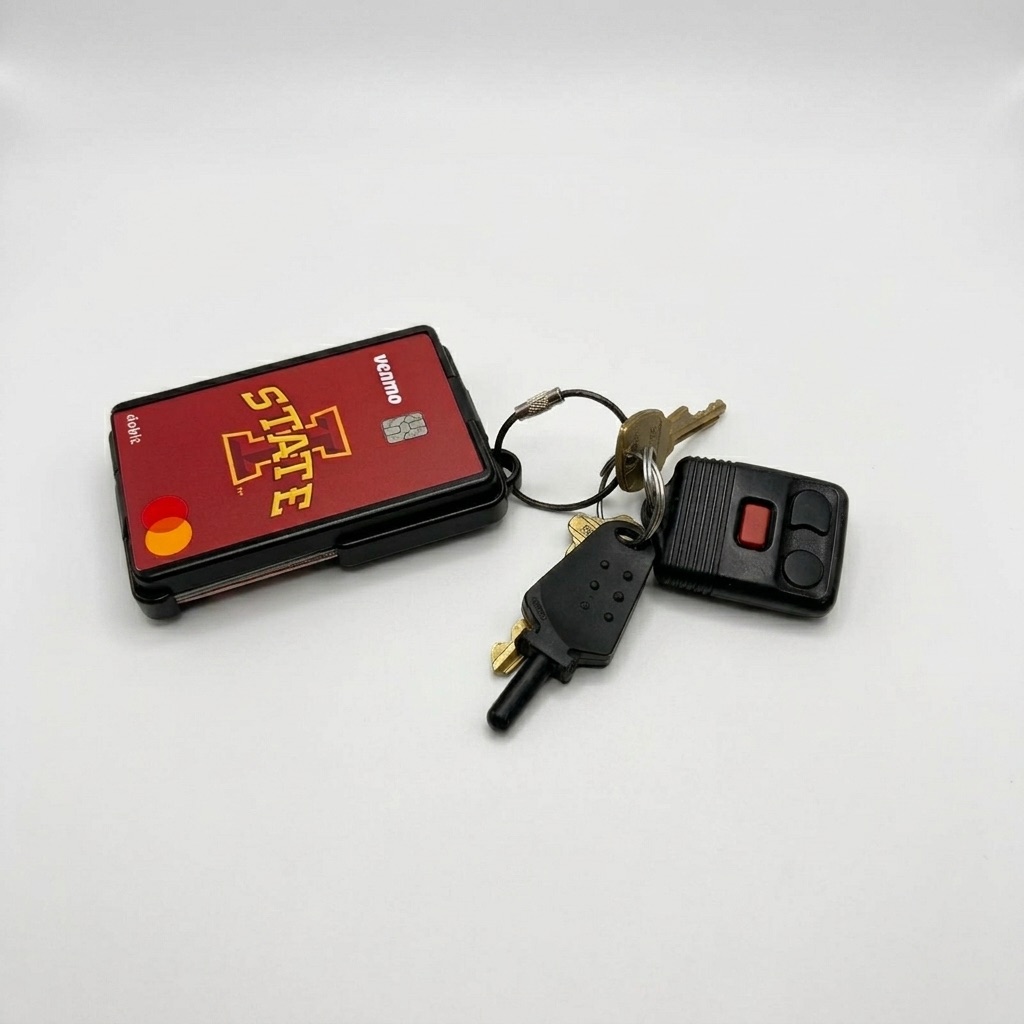
You probably do not need an RFID-blocking wallet for fraud prevention. Real-world RFID skimming attacks are rare in the US, contactless transactions have their own fraud protections, and most actual card fraud happens via data breaches rather than proximity skimming. That said, RFID blocking is cheap to include and does not hurt anything, so it is a reasonable feature to have.
The RFID skimming threat became popular in wallet marketing around 2010, when contactless cards were new and the attack surface seemed more plausible. Since then, card companies have added layers of fraud protection to contactless transactions, and documented cases of RFID skimming in the wild remain extremely rare.
How RFID Skimming Actually Works
RFID cards broadcast a short-range radio signal when a reader gets close enough, typically within an inch or two. A skimmer would need to be very close to your wallet, in a crowded area, and would get limited data from a modern contactless transaction.
Modern contactless card transactions use one-time codes rather than your actual card number. Even if a skimmer captured data from your card, the data would not be directly usable for fraudulent transactions in the same way as a stolen magnetic stripe number. This is not zero risk, but it is a much smaller risk than the marketing copy around RFID wallets suggests.
When RFID Blocking Actually Matters
Older RFID card formats, like some transit cards and older hotel key formats, can be more vulnerable because they use simpler protocols. If you are in a high-density environment like a busy subway system abroad, RFID blocking is a reasonable precaution.
For most everyday US carry, the fraud protection your card company already provides is more relevant than the blocking layer in your wallet. Focus on monitoring your accounts rather than on physical shielding.
The slim wallet buying guide covers RFID as one feature among several to evaluate when choosing a wallet.
The Tap Badge Problem
Here is where RFID blocking creates a real practical issue: office access badges, hotel key cards, and transit cards that use tap-to-enter need to be readable. If your wallet blocks all RFID, you cannot tap your badge through the wallet and have to pull it out every time.
Some wallets solve this by having a designated non-blocked slot for tap cards. The EDC wallet does this: the front ID slot is intentionally left unblocked so tap badges and IDs stay scannable, while the main card compartment has RFID protection for your payment cards.
If you use a tap badge for work entry or a tap-based transit card daily, an all-blocking wallet is more annoying than helpful. A wallet with a mixed approach is more practical.
The Bottom Line
RFID blocking is a nice-to-have, not a necessity. If a wallet you like includes it, that is fine. If a wallet charges a significant premium specifically for RFID blocking, you are paying for marketing more than protection.
Focus on the wallet features that affect your daily experience: how many cards it holds, whether it fits in your front pocket, how well it handles cash, and whether it will last. RFID blocking is a secondary consideration that most people will never notice either way.
The EDC wallet includes RFID protection in the main compartment as a baseline feature without making it the primary selling point. That is the right way to think about it.
Quick answers
Has anyone actually been scammed by RFID skimming?
Documented cases in the US are rare. The FBI and FTC track card fraud closely, and RFID skimming represents a tiny fraction of actual fraud cases, which are overwhelmingly driven by data breaches and phishing.
Will an RFID-blocking wallet block my office badge?
Yes, if the badge uses RFID and is stored in a blocked slot. Look for a wallet with a non-blocked slot for your tap badge if you use one daily.
Is RFID blocking worth paying extra for?
Not really. The marginal protection is low for most US consumers. If a wallet you like includes it at no premium, take it. If a wallet is significantly more expensive because of it, look elsewhere.