Engineers carry with intent. The gear they choose tends to be practical, durable, and justified by actual use rather than aesthetics. The everyday carry for an engineer working in a lab, on a campus, or in an office has a few specific requirements: badge access, cable management, and carry that survives the kind of days that go long without warning. See the pro wallet for carry built for professional environments.
What Makes Engineer EDC Different
Badge and key fob access is often a daily reality. Engineers at most companies badge in and out of multiple secure areas and need quick, reliable access to their credentials without digging through a bag.
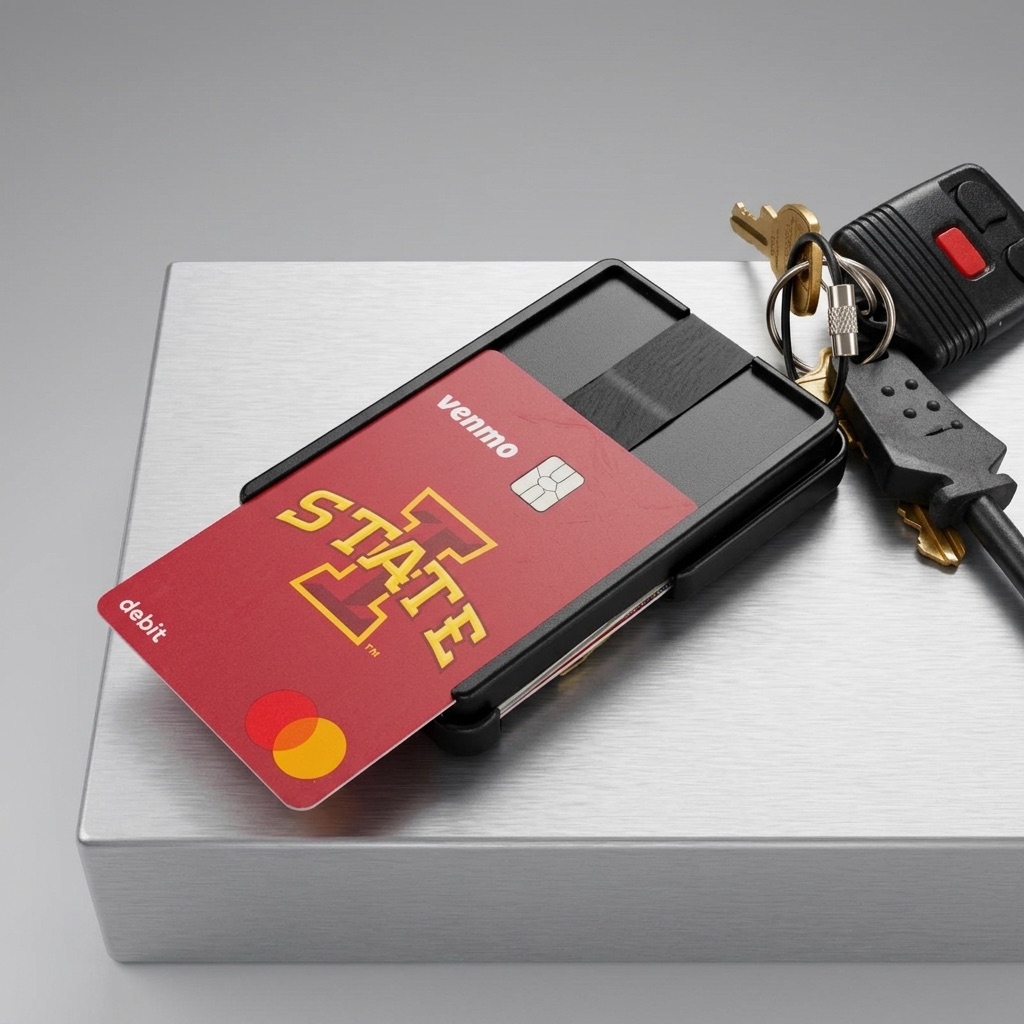
A front-access ID slot on a wallet eliminates that friction entirely. Tap and go, every time. The key is that the slot must not RFID-block the badge, which needs to stay scannable. The Metal Brik ($69.99) puts the ID in an unblocked front slot specifically for this reason, while keeping the card compartment RFID-protected.
The Core EDC List
What every engineer should have dialed in before they optimize anything else.
- A reliable wallet system. Cards, ID or badge, and cash handled by something slim that does not add bulk to a pocket during a long shift. See the pro wallet for options that cover badge access.
- A quality pen. A pen that works first try, every time. Engineers sign things, mark things, and sketch on notepads more than most office roles.
- A compact multi-tool or pocket knife. Know your company's policy. Many engineering environments allow a small multi-tool. It earns its weight quickly.
- Earbuds that work in noisy environments. Active noise cancellation for open offices and focus sessions. Also useful on long commutes between sites.
- A compact flashlight. Field engineers especially: a good compact flashlight is used more than expected and almost never regretted.
- Cable management. A small pouch or organizer for the cables, adapters, and dongles that accumulate in every engineer's bag. Fewer tangles, faster setup at a meeting.
Bag or No Bag
Whether you carry a bag depends on your role. Field and lab engineers almost always need one for tools, safety equipment, and documentation. Office-based engineers can often go bag-free or carry a minimal laptop sleeve.
For those who do carry a bag, a backpack with a dedicated laptop sleeve, quick-access front pocket for small tools, and a separate section for personal items works well. Avoid bags where everything lives in one big compartment.
What to Optimize Last
EDC optimization is a hobby that can spiral. Get the fundamentals right first: wallet, keys, badge, phone, and the right bag for your environment. Once those are dialed in, you can refine.
The best EDC is the one you do not think about. When you leave in the morning and everything is already where it needs to be, the system is working.
See also: work from home carry essentials for how the carry system adapts when your base of operations is home.
Quick answers
What wallet is best for engineers who badge in frequently?
One with a front slot that does not RFID-block the badge. The card needs to be scannable on contact, which means the front slot cannot have the same shielding as the main card compartment.
Do engineers need a multi-tool in their EDC?
Depends on the role. Field and lab engineers use them constantly. Office-based software engineers rarely need one. Know your environment before investing.
Is EDC just a hobby or is it actually useful?
Both. A well-set-up everyday carry genuinely reduces friction in your day. The hobby part is when you have 14 wallets and a dedicated flashlight drawer.