Motorcycle EDC is different from regular EDC in one big way: everything on your person becomes a projectile if things go wrong. Bulk is a safety issue, not just a comfort issue. The goal is to carry exactly what you need, secured well, and nothing else.
What Goes in Your Jacket, Not Your Bike
Riders split gear between what stays on their body and what lives in the saddlebag or tank bag. Your on-body carry should be things you genuinely need if you get separated from the bike: ID, one payment card, your phone, and a key. That's basically it for most rides.
Jacket pockets with zippers are your best friend. Loose items in open pockets will migrate. A slim wallet keeps your ID and cards secure without adding bulk under gear.
- ID and one card. You need your license on you by law. One debit or credit card covers fuel and emergencies.
- Phone. Navigation, roadside assistance, emergency contact. Keep it in an inside zip pocket or a handlebar mount.
- Key fob or key. Obvious, but riders sometimes leave spares in bags they then separate from. Keep one on your person.
- Cash backup. A folded bill or two handles tolls, parking meters, or places that don't take cards at remote stops.
What to Leave in the Saddlebag
Your loyalty cards, gym membership, spare keys to the house, business cards, and everything else belong in a bag, not your pockets. Riders who carry a stuffed wallet are asking for discomfort every time they sit down and extra risk if they go down.
Think about what you actually need access to while wearing gloves and a helmet. That list is very short.
The Wallet Problem for Riders
Traditional bifold wallets are genuinely bad for motorcycle riding. They create a pressure point on long rides, they bulk out jacket pockets awkwardly, and they make it slow to grab what you need at a fuel stop.
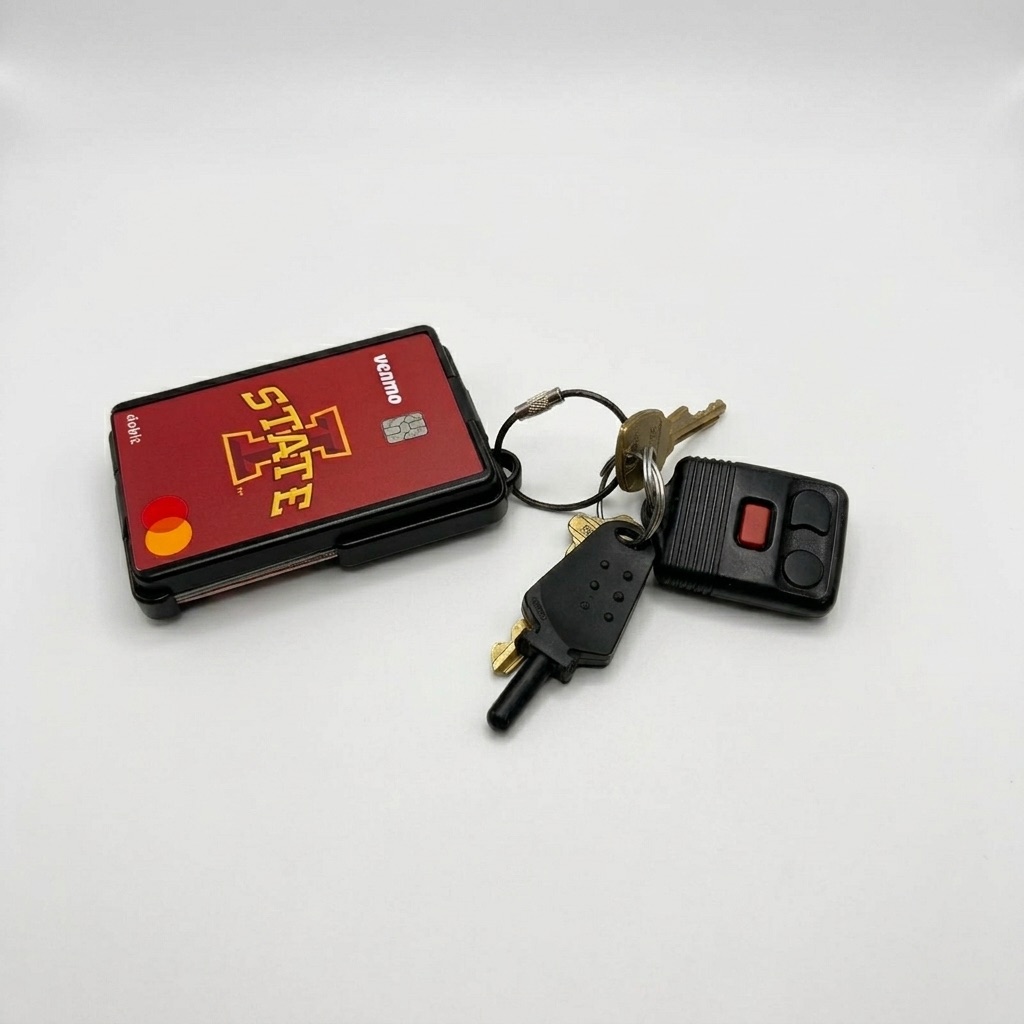
A slim, rigid wallet like the Metal Brik works well here. The aluminum body doesn't flex or flop, it holds your ID in a front slot for quick access, and it fits flat in a zip pocket without shifting. The integrated keyring means your key and wallet can stay together in one pocket rather than loose items rattling around separately.
For more on stripping down your carry, see the guide on keychain minimalism.
Gear Worth Mentioning That Isn't a Wallet
Beyond wallet and phone, riders often debate what else to carry. A small multitool in the saddlebag beats one in your pocket. A tire plug kit and CO2 inflator live in a bag, not on your body. Sunscreen and lip balm in a jacket pocket? Reasonable. A full-size knife clipped to your pants under riding pants? Uncomfortable and unnecessary for most people.
The pattern is: if you need it while wearing the bike, carry it on you. If you only need it when you stop, put it in storage.
Building a Consistent Ride Kit
The best motorcycle EDC is the one you never have to think about. Build a small kit, keep it consistent, and transfer it jacket to jacket the same way every time. Experienced riders often leave a permanent small pouch clipped inside their main jacket with the basics already inside.
Check the EDC wallet guide if you're rethinking your wallet as part of tightening up your ride kit.
Quick answers
Do I need a special wallet for motorcycle riding?
Not specifically, but slim and rigid beats fat and soft. A wallet that won't flex or shift in a zip pocket is more practical on a bike than a thick bifold.
Should I carry a knife on my motorcycle?
A small multitool in a saddlebag is more practical than a knife on your person for most riders. Check local laws and think about what you actually need it for.
What do I do with my wallet when I'm in full riding gear?
Inside zip pockets in your jacket are the safest spot. Avoid rear pant pockets, which are uncomfortable and hard to access with gloves.
What if I get separated from my bike?
That's exactly why on-body carry matters. ID, one card, phone, and a key are the minimum. Everything else can stay with the bike.