
Cycling EDC has real constraints: jersey pockets, saddle bags, and handlebar bags only. Nothing in rear pants pockets (you don't have them). Nothing that bounces loose. And everything has to survive sweat and road vibration.
Where Cyclists Carry Things
Road cyclists rely on jersey pockets. Mountain bikers often use a small hip pack. Commuters have more options: panniers, a rack bag, or a small backpack. Each storage option shapes what you carry.
Jersey pockets are the most constrained. You get three pockets across the lower back, each holding about the volume of a large smartphone. Whatever goes in there needs to be flat, not fragile (it will get compressed and sweaty), and accessible while riding.
Core Cycling EDC
For any ride that takes you away from home, you need to be able to get back. That means ID, one payment card, and your phone. A small amount of cash for a flat-tire emergency or an unexpected coffee stop is optional but useful.
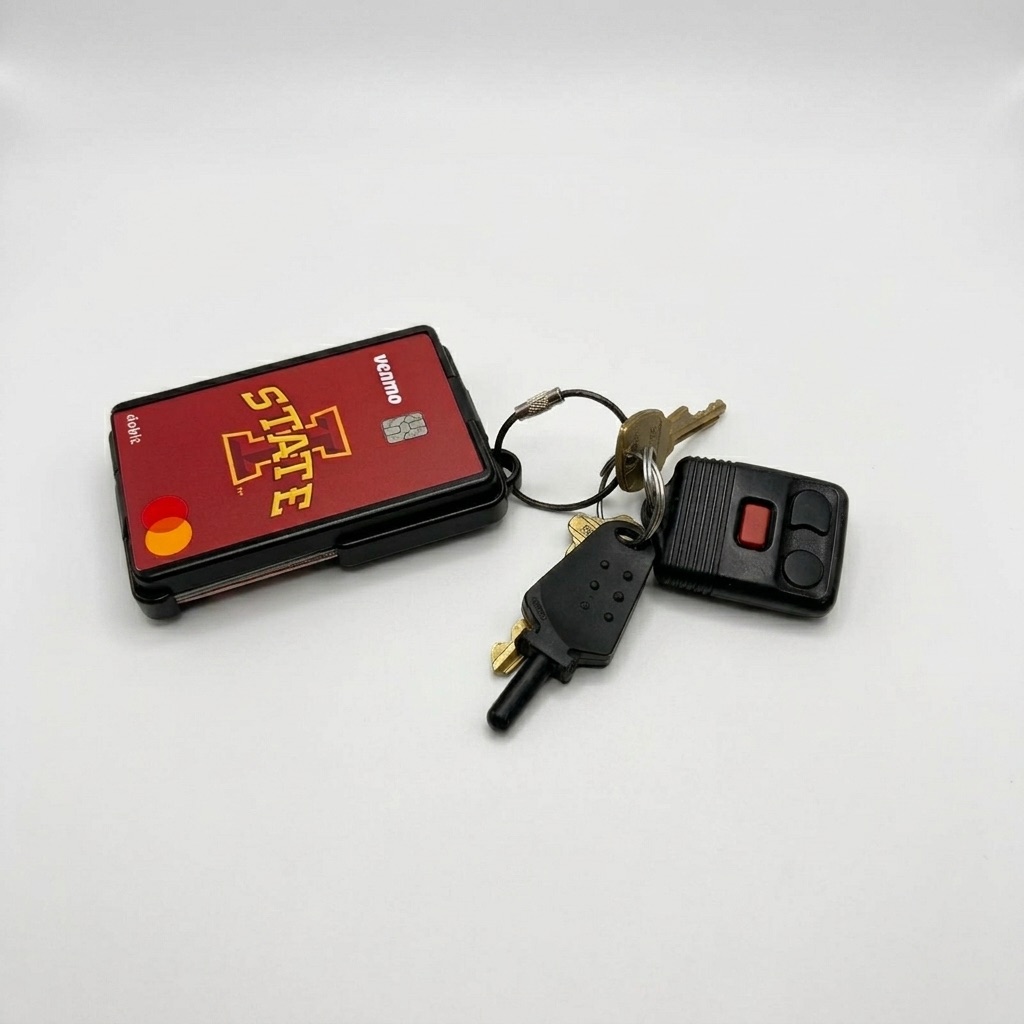
A slim, rigid wallet earns its place in a jersey pocket. It won't soak up sweat the way leather does, it won't flop around, and it's flat enough to stack with a phone. The Metal Brik is a reasonable option here: aluminum body, water-resistant, holds ID and a few cards without bulk.
Nutrition and basic tools (a CO2 inflator, a tube, tire levers) live in a saddle bag and don't count as pocket carry. Keep the pockets for the things that only you can carry.
- ID and one card. The minimum for any ride. If something happens, you need identification and a way to get home or get help.
- Phone. Navigation, emergency contact, and a way to call for a ride if the bike becomes unrideable.
- Cash. A folded twenty handles most roadside emergencies: convenience store, vending machine, or cash-only shop.
- AirTag or tracker card. If your bike gets stolen at a destination, a tracker helps. A tracker in your wallet is also useful if wallet and bike separate.
Keeping Your Wallet Sweat-Proof
Jersey pocket carry means your wallet will get sweaty on warm rides. A rigid aluminum wallet handles this much better than leather or fabric. Leather absorbs moisture and warps over time. Fabric wallets can develop mildew smell. Metal just wipes clean.
A small ziplock bag around your phone and wallet is a simple solution if you're doing a long ride in hot conditions or rain. Functional, not glamorous, but it works.
Commuter Cyclists vs Road Cyclists
Commuters have more storage options and typically ride with a bag. A slim wallet in a jacket pocket or backpack works fine. The considerations shift to: is it in a secure pocket? Will it survive rain if your bag isn't waterproof?
Road cyclists are more constrained and benefit more from a purpose-built approach to pocket carry. Every item needs to justify its presence by weight, size, and frequency of need.
For more on reducing what you carry day to day, see the guide on pocket dump organization. And check out the EDC wallet options if you're rethinking your ride carry.
Quick answers
Can I put a wallet in a jersey pocket without it falling out?
Yes, if it's slim enough. Most jersey pockets close with a zipper or have enough depth that items don't fall out unless you're very upside down. A slim rigid wallet sits flat and is easier to manage than a thick bifold.
Should I carry cash on every ride?
For rides that take you more than a few miles from home, yes. A folded bill or two has bailed a lot of cyclists out of unexpected situations.
Where do I keep my keys when cycling?
A jersey pocket, zipped hip pack, or clipped to the inside of a saddle bag. Avoid dangling them where they can get caught or swing into spokes.