
Move-out day at the end of a college semester or year is chaotic. The things students forget most often are the ones that cost money: returning keys, patching wall damage, cleaning, and getting deposit money back. Run through this list before you hand in your key and you'll avoid the majority of common move-out mistakes.
Administrative and Financial Stuff First
These are the items that generate fees or paperwork problems if skipped. Handle them before moving a single box.
- Return your room key. Lost or unreturned keys usually cost $100 or more to replace. Find out where to return yours before the last day; some schools have specific drop windows.
- Check your dining balance. Unused dining dollars often expire at semester end or rollover at a reduced amount. Use them before they vanish.
- Update your mailing address. Any refund checks, tax forms, or mail coming to your campus address will bounce if you don't forward it. Do this with USPS and update your school records.
- Request your deposit refund. Some housing offices require you to submit a form to get your security deposit back. Find out the process before move-out day.
Room Condition: What They'll Charge You For
Housing offices do a walk-through after you leave. The things they charge for most are holes in walls, cleaning fees, damaged furniture, and unreturned access devices.
Fill nail holes with spackling paste before you leave. Clean the bathroom and kitchen if applicable. Document the room with your phone camera right before you hand in the key so you have a timestamped record of the condition.
What Students Forget Most Often
These aren't the expensive items, but they're annoying to lose.
- Items behind and under furniture. Phone chargers, shoes, headphones, and wallets end up under beds and behind desks. Pull everything out before you assume the room is empty.
- Stuff in shared spaces. Bathroom products, cleaning supplies, and food in the common fridge get left behind constantly. Do a sweep of all shared spaces.
- Items you loaned out. If you lent a charger, a textbook, or anything else to a friend, now is the time to ask for it back.
- Cloud and device access. Log out of any school accounts on shared devices. If you used a school-licensed app or cloud service, export any files you want to keep before your access expires.
Your Daily Carry During the Move
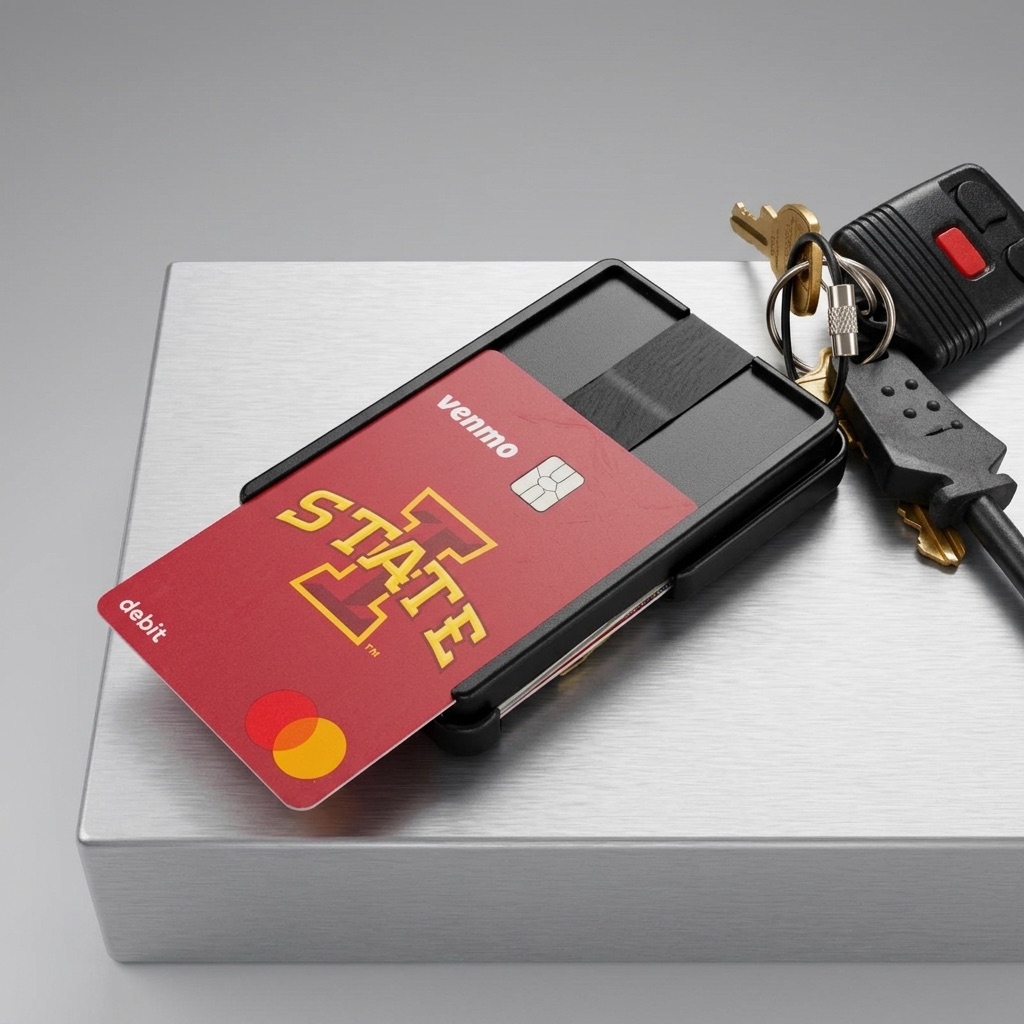
Move-out day is high-chaos. Your wallet, ID, and keys are easy to misplace when you're carrying boxes in and out. Keep your essential carry separate from everything you're packing. A slim college wallet with a built-in keyring keeps your ID, cards, and room key together as one unit so they don't get boxed up by accident.
If you're worried about losing your key during the scramble, a wallet with a removable tracking card, like the Metal Brik, lets you ring it from your phone. Knowing where your key is on move-out day is worth the peace of mind.
If You're Moving Into an Apartment Next Year
Take photos of every room of your new apartment on move-in day, even if it looks clean. This protects you when you move out later. Note any existing damage in writing to the landlord before you unpack.
For more on setting up a practical daily system as a student, see the guide on college commuter carry. The carry habits that work in a dorm don't always translate to apartment life and commuting.
The Night Before Move-Out
Pack your room down to the last box. Keep one bag with what you need for the final night: phone, charger, toiletries, change of clothes, ID, and wallet. Sleep on that bag if you have to. Move-out day is not the time to be hunting for your student ID at 8am because it got packed.
Quick answers
What happens if you don't return your college dorm key?
Most schools charge a replacement fee, typically between $75 and $200. Some also charge for a lock change. Return your key to the housing office during their specified window.
How do you get your dorm deposit back?
Leave the room clean, fill any nail holes, return all keys and access devices, and follow up with housing if you don't receive the deposit within the stated timeline. Document the room with photos before leaving.