
The best library sessions are the ones where you sit down, everything you need is right there, and nothing in your bag is a distraction. Overpacking is a real problem. So is underpacking. This list covers what actually earns its place in your bag for a library study session.
What Belongs in Your Bag
Keep the bag light enough that you'll actually want to bring it. Every item should earn its spot.
- Laptop and charger. The library has outlets at most tables. Bring your charger anyway. Running out of battery mid-session is a study killer.
- Headphones or earbuds. Even in a quiet library, background noise adds up. Noise-canceling headphones or earbuds help you stay in focus mode.
- Water bottle. Hydration is a focus thing, not a health lecture. Most libraries allow water with a lid. Fill it before you sit down.
- A notebook and two pens. Digital notes work fine, but a notebook is useful for diagrams, scratch math, and thinking through problems. Two pens because one always dies.
- Student ID. Many libraries require a student ID to access certain floors, reserve rooms, or check out physical materials. Keep it accessible.
- A snack. Libraries that allow food: bring something quiet and low-smell. Libraries that don't: eat before you arrive. Hunger tanks concentration around the two-hour mark.
What to Leave Home
Anything that isn't essential to the work you're doing has no reason to be in your bag. That includes multiple textbooks you might need, a full backpack worth of supplies for every class, and anything that's going to tempt you to check out early.
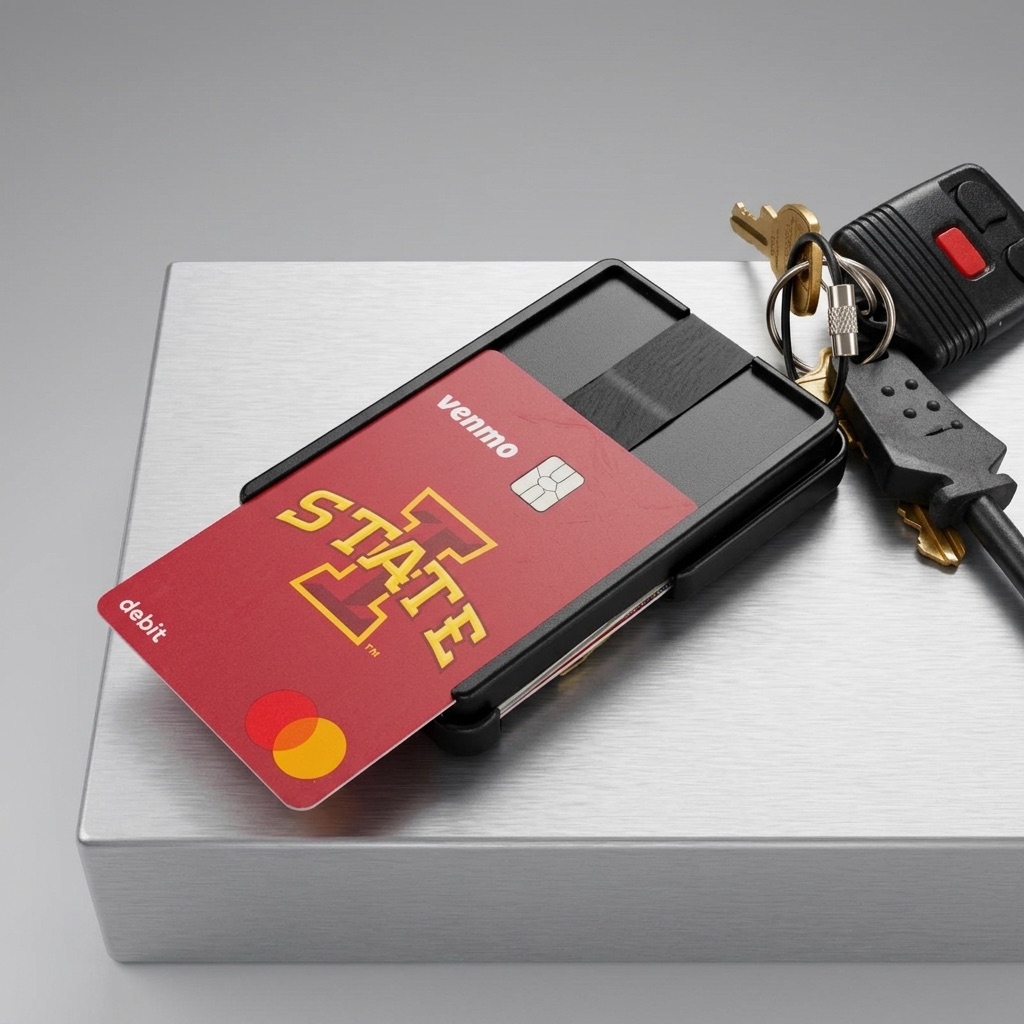
Leave your full wallet at home if you're not planning to buy anything. A slim student wallet with just your ID and one card is all you need for a library session. Less stuff in your bag means a lighter carry and less to lose.
Reserving a Study Room
Most college libraries have group study rooms you can reserve online through the library website. If you're working on a group project or just want a private space, book one in advance, especially during finals. Room availability disappears fast in the last two weeks of semester.
Solo study rooms or pods exist at many libraries too. Check your library's floor map online before you arrive so you know what's available.
Library-Specific Logistics Worth Knowing
Leave-your-laptop-unattended situations happen in libraries. If you need to use the bathroom or grab a coffee, either pack up your laptop or ask the person next to you to watch it briefly. Don't leave valuables unattended for more than a couple of minutes.
If you need a physical textbook your library has on course reserve, those are usually two-hour or same-day checkouts. Bring your student ID because you'll need it at the desk. Some libraries let you scan your library card from a campus app on your phone instead.
Building a Study Session That Actually Works
Going to the library works better when you go with a specific task list rather than a vague plan to 'study.' Before you sit down, write out the three things you're going to accomplish in this session. When those are done, the session is done or you start a new list.
The Pomodoro technique works well in library settings: 25 minutes of focused work, 5-minute break. After four rounds, take a longer break. It keeps energy levels steady over a long session.
For students managing a commute before or after library sessions, see the guide on what commuter students need to carry every day. Fitting library supplies into an efficient daily bag is worth thinking through.
Quick answers
Can you bring food into a college library?
It depends on the library. Many allow covered drinks and quiet snacks. Others restrict food to specific areas. Check the library's policy online or at the front desk before you unpack your lunch.
How early should you go to the library during finals week?
Early. By mid-morning, seating in popular areas fills up. If your library opens at 7am, getting there before 9am gives you good seat options. Study rooms book out days in advance.
Do you need your student ID to use the college library?
Usually yes, at least to enter and definitely to check out materials. Some libraries also use ID swipe for room reservations. Keep yours accessible.