
In 2026, you can get through most of daily life with one card and no cash. But there are still specific situations where cash is the right tool: tipping at restaurants where card tipping feels awkward, street vendors, farmers markets, splitting small costs, and any situation where you want no digital record.
Card acceptance is near-universal in the US now. Most vending machines, food trucks, and small businesses take tap-to-pay. The scenarios where cash is genuinely required have narrowed to a fairly short list. That does not mean you should carry none. It means you should carry the right amount.
When Cash Still Matters
Tipping is the biggest cash use case remaining. Some people prefer to tip in cash so it goes directly to the server rather than through a tip pool or POS system. Parking meters in older cities still take quarters. Some laundromats are cash-only. Small-scale informal transactions, paying the kid who mows the lawn, splitting a dinner two ways among three people, tend to go smoother with cash.
Emergency cash is worth keeping. If your card gets frozen, your phone dies, or the payment system at a gas station is down, twenty to forty dollars in your wallet solves almost any situation you are likely to encounter in a normal day.
When to Just Use the Card
Groceries, gas, restaurants, coffee shops, rideshares, online shopping: card wins on every metric. You get fraud protection, transaction records, rewards points, and faster checkout. Cash does none of those things. The person behind you in line appreciates that you are not counting out exact change.
Tap-to-pay has also made card checkout significantly faster than cash for most transactions. You do not need to dig for exact change, wait for a receipt, or count bills. The friction advantage cash used to have at small purchases has mostly evaporated.
Building Your Carry Around This Reality
Most people do well with one primary card, one backup card or digital payment option, and twenty to forty dollars in cash. That handles the full range of daily situations without weighing you down.
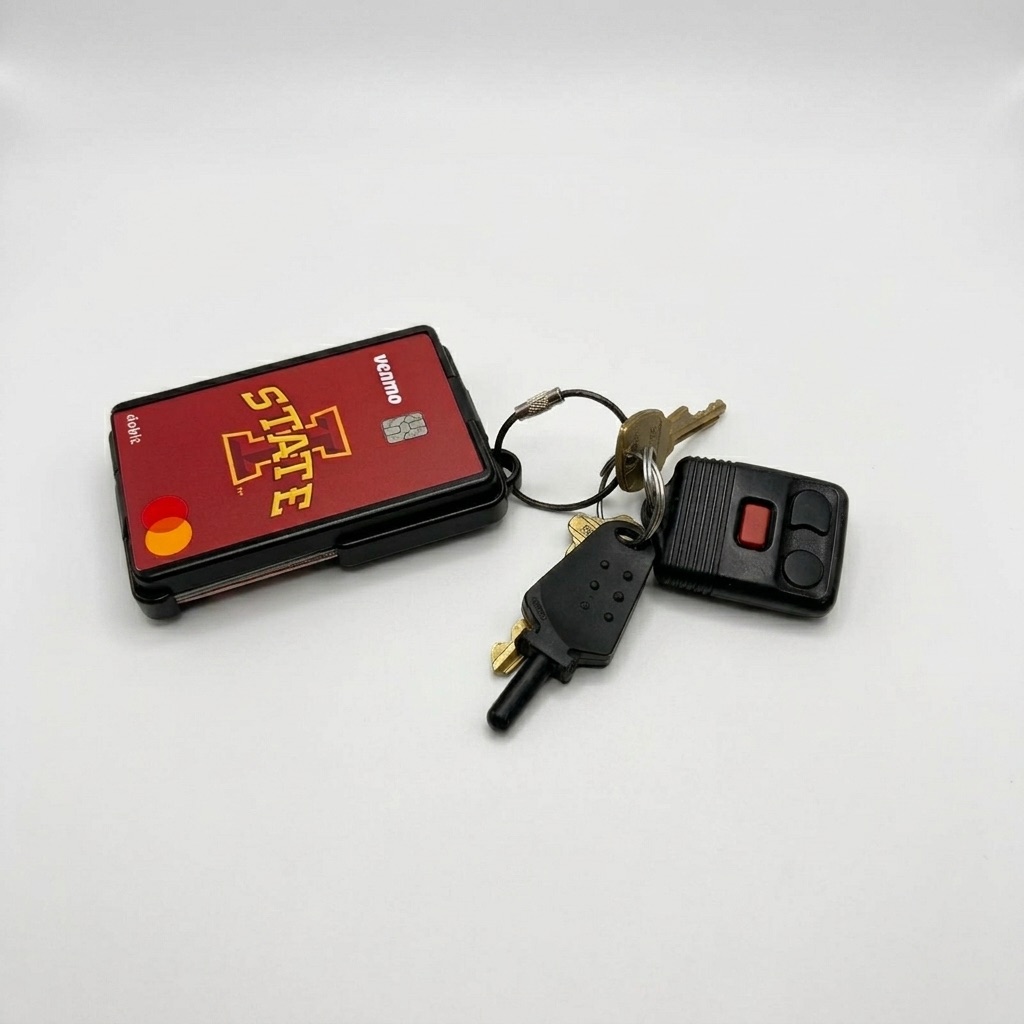
If you carry cash, you need a wallet with an actual cash solution, not just card slots. The EDC wallet handles folded bills under a back elastic band, so you can carry your twenty without folding it into a card slot or cramming it loose into your pocket.
If you almost never use cash, a card holder or card-only slim wallet is sufficient. Digital payments are good enough in 2026 that going cash-free in a major city is genuinely viable. The only scenarios where this backfires are unusual enough that you can just plan around them.
What to Actually Put in Your Wallet
Start with your daily drivers: one debit or credit card, your ID, and whatever cash feels right for your lifestyle. Add an insurance card if you are not comfortable pulling it up on your phone in an urgent situation. Then stop.
For more on cutting down your card count, the how many cards to carry guide walks through the math of what most people actually need versus what they habitually carry.
The goal is a well-designed EDC wallet with only what you will actually use, so you spend zero mental energy on it during a normal day. That is the practical case for being intentional about cash versus card carry.
Quick answers
How much cash should I carry in my wallet?
Twenty to forty dollars covers almost all situations where you genuinely need cash. A single fifty covers the rest. More than that is unnecessary for daily carry.
Is it safe to go cashless in 2026?
In most US cities and suburbs, yes. The main risk is a dead phone battery or a card freeze at an inconvenient time. Keeping a small amount of emergency cash hedges against both.
Should I carry a backup credit card?
If you have a digital wallet on your phone as a backup, a second physical card is optional. If you rely only on physical cards, one backup is a reasonable precaution.