
Most people carry 10 or more cards but only use two or three on any given day. The right number is usually four to six: one debit card, one credit card, your ID, your insurance card, and maybe one loyalty card you actually use. Everything else is just weight.
The average American wallet contains 8 to 12 cards. Studies on posture and back pain have linked sitting on an oversized wallet to spinal misalignment, and most of those cards are not touched for weeks at a time. The question is not how many cards you own. It is how many you actually need accessible every day.
Before you decide on a number, it helps to audit what you are currently carrying. Pull everything out and ask: did I use this in the last 30 days? If not, it probably belongs in a drawer at home, not your back pocket.
The Four Cards Almost Everyone Needs
There is a short list of cards that most adults genuinely need on their person most of the time. Beyond these four, every addition should be deliberate.
- Primary debit or credit card. The one you use for daily spending. Pick one and commit.
- Government-issued ID. Driver's license or state ID. You need this for bars, airports, and car rentals.
- Health insurance card. You do not need it often, but when you do you really do.
- One backup payment card. In case your primary card gets declined or compromised. This is optional if you have Apple Pay or Google Pay as a backup.
Cards That Can Stay Home
Loyalty cards for stores you visit once a month can live in your car or a drawer. Most retailers now have apps anyway. Gift cards with small balances should be used or gifted, not carried indefinitely. Membership cards for the gym or library can often be scanned from a phone.
If your wallet is bulging, the problem is almost never that you do not have enough storage. It is that you have not made deliberate decisions about what belongs in your pocket versus what belongs in a bag, car, or drawer.
Slim wallets like the EDC wallet force this decision for you by design. When your wallet only holds six to eight cards, you make intentional choices about each one rather than letting them accumulate.
The Case for Going Even Smaller
Once you go through a wallet audit, a lot of people end up carrying three to five cards. That feels uncomfortably light at first, but most people who switch report they never actually needed more. Digital wallets cover most payment scenarios, and IDs are the one card that rarely has a digital substitute.
If you want to read more on what to cut from your wallet, check out the declutter your wallet guide for a step-by-step walkthrough.
The goal is not minimalism for its own sake. It is carrying exactly what you need and nothing that slows you down. A well-designed EDC wallet with room for four to eight cards is enough for the vast majority of daily situations.
How Your Card Count Affects Wallet Choice
If you have settled on five or fewer cards, a front-pocket card holder or slim wallet works well. Six to eight cards usually calls for a slim bifold or a structured card-slot wallet. More than eight cards is a sign you have not finished your audit, not that you need a bigger wallet.
Think about your actual routine: commuting, coffee, lunch, gym. Most of those scenarios require one payment method and your ID. Plan your carry around a typical Tuesday, not the one time per year you drive a rental car in another state.
Quick answers
Is it bad to carry too many cards in your wallet?
Yes, for a few reasons. A thick wallet causes back and hip alignment issues when sat on. It also slows you down at checkout and increases what you lose if your wallet is stolen.
How many cards can a slim wallet hold?
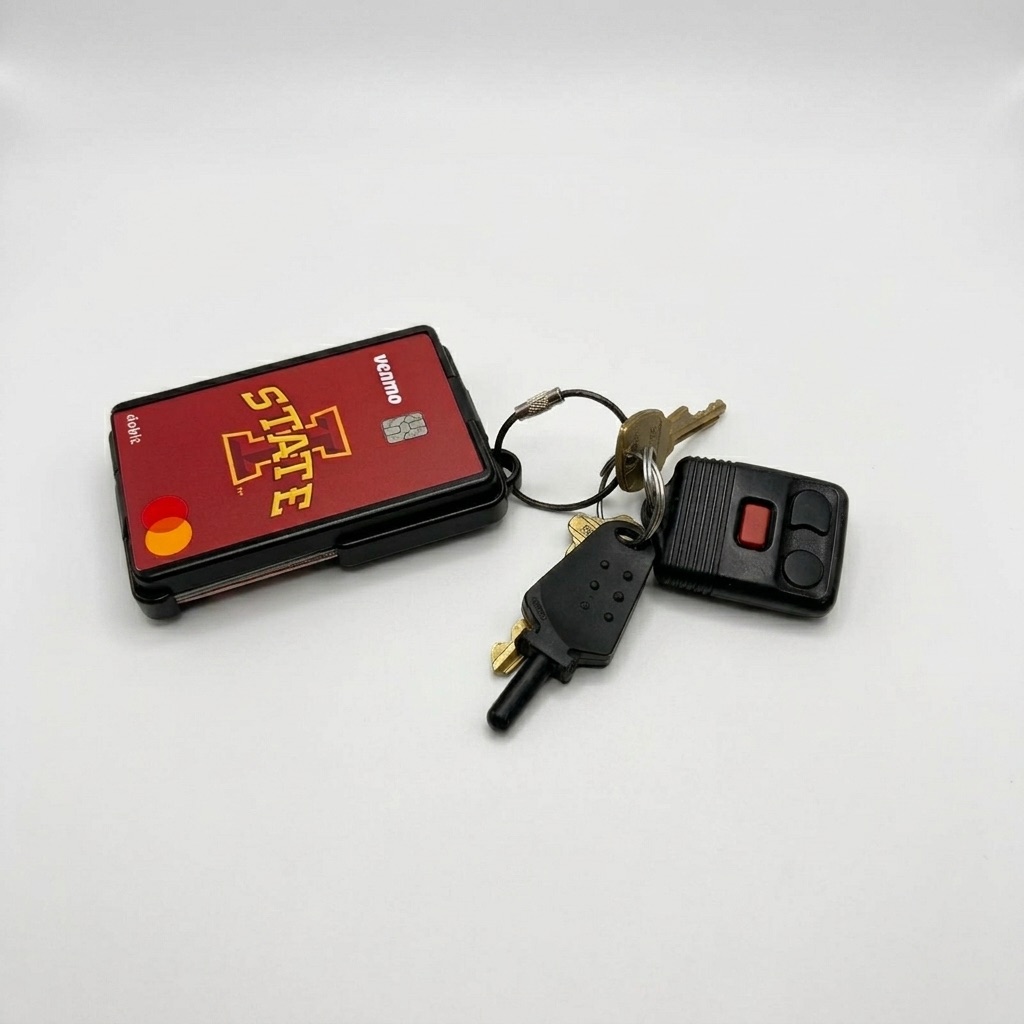
Most slim wallets hold four to eight cards. The Metal Brik holds seven to eight cards in the main compartment plus one ID in a quick-access front slot.
Should I carry a backup credit card?
It depends on whether you have a digital backup. If you have Apple Pay or Google Pay set up, a physical backup card is less critical. If you rely entirely on physical cards, carrying one backup is smart.