
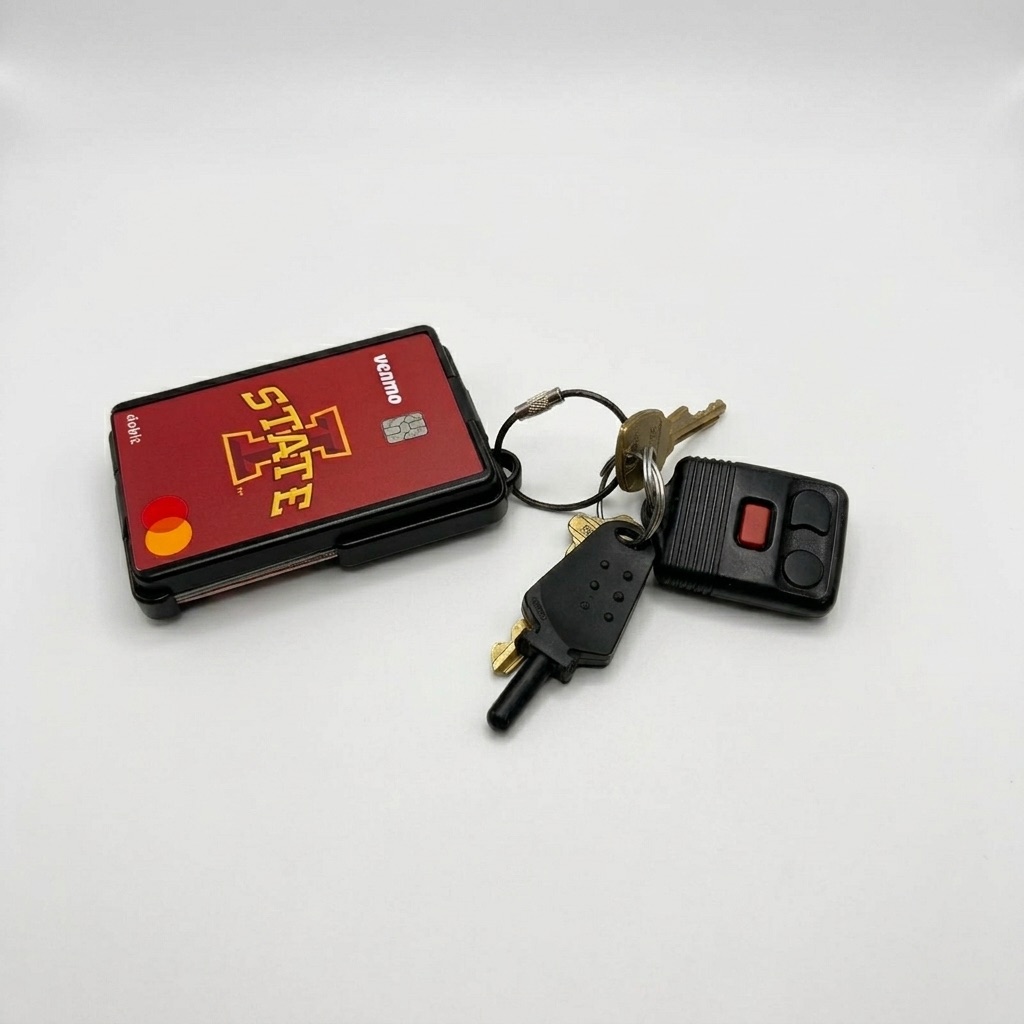
Get a slim wallet if you carry five or fewer cards, prefer front-pocket carry, and have done a card audit. Get a bifold if you regularly carry cash in bulk, need more than eight cards accessible daily, or prefer the familiarity of a format you have used for years. Most people who think they need a bifold actually just have not cleaned out their wallet yet.
The bifold has been the default wallet format for decades because it works: two panels, a fold, card slots on both sides, a cash section in the middle. It is not a bad design. It becomes a problem when the design encourages carrying more than you need, which it tends to do.
What a Bifold Does Well
Cash handling is the bifold's genuine advantage. Bills fold once and lie flat in the center. You can carry a significant amount of cash without folding it awkwardly or cramming it under an elastic band. If you regularly carry forty or more dollars in bills, a bifold cash section is genuinely more comfortable than most slim wallet alternatives.
Capacity is the other argument. A standard bifold holds eight to twelve cards, sometimes more if there are expansion pockets. If your daily carry genuinely requires eight or more different cards, a bifold accommodates that without cards spilling out or creating a stack you have to fan through.
Familiarity matters too. Many people have used bifolds for twenty years. The grab-and-flip motion is automatic. Switching formats has a learning period.
Where Bifolds Fall Short
The main problem with bifolds is that they overperform. When you have twelve card slots, you fill twelve card slots. When you have a generous cash section, you carry more cash than you need. The design invites accumulation.
A loaded bifold is often close to an inch thick. That is uncomfortable in a front pocket and creates the back-pain risk of sitting on a thick wallet in a back pocket for hours. Slim wallets mostly avoid this problem by design.
Finding a specific card in a loaded bifold also takes time. Cards in the back panel are under cards in the front panel. The one you need is always in the third spot. Slim wallets with fewer slots mean less digging.
Where Slim Wallets Win
Slim wallets win on comfort, speed, and discipline. Front-pocket carry is viable because the profile is thin enough not to create a noticeable lump. Checkout is faster because you always know where your card is. The limited capacity prevents accumulation.
Most people who switch to a slim wallet after years of bifold use go through a brief adjustment period and then wonder why they waited. The cards they worried about leaving behind almost never come up in practice.
The EDC wallet holds seven to eight cards plus a quick-access ID slot and folded cash under an elastic band. That covers the daily carry of most adults without the bulk of a traditional bifold.
How to Decide
Do the audit first. Pull out all the cards in your current wallet and sort them into daily use versus occasional use. If your daily use pile is five cards or fewer, a slim wallet is almost certainly the right answer. If it is eight or more, dig into whether all of those are genuinely daily needs or just habit.
For help with that audit, the how many cards to carry guide breaks down what most people actually need versus what they carry out of habit.
The honest answer is that most people who read this comparison end up with a slim wallet. The bifold's advantages mostly apply to people who need to carry more cash or more cards than the average person. If that is not you, the EDC wallet covers the common case well.
Quick answers
Is a bifold wallet bad for your back?
It can be. A thick bifold in a back pocket creates pelvic tilt when you sit, which stresses the spine over time. Slim wallets and front-pocket carry mostly eliminate this issue.
Can a slim wallet replace a bifold?
Yes, for most people. The main exceptions are people who carry significant cash daily or need eight or more cards accessible at all times.
How many cards fit in a bifold vs a slim wallet?
A standard bifold holds eight to twelve cards. A slim wallet typically holds four to eight. The Brik EDC wallet holds seven to eight in the main compartment plus one in a quick-access front slot.