
Pack half of what you think you need. Seriously. Overpacking for study abroad is the most common mistake, and you will regret every unnecessary pound at the airport. The real list is shorter than you expect, and the stuff that matters most fits in your pocket.
If you are heading abroad for a semester, your packing falls into three categories: daily essentials you carry everywhere, clothing and toiletries that stay in the room, and documents and payment that keep you moving. The first category is the most important and the easiest to get wrong.
Documents and Payment: The Non-Negotiables
You cannot replace a lost passport quickly in a foreign country. Keep it on you or secured in your room, never in checked luggage. For daily carry, you need your student ID, a debit card that waives foreign transaction fees (Charles Schwab is popular for this), a backup card, and some local cash for your first 24 hours.
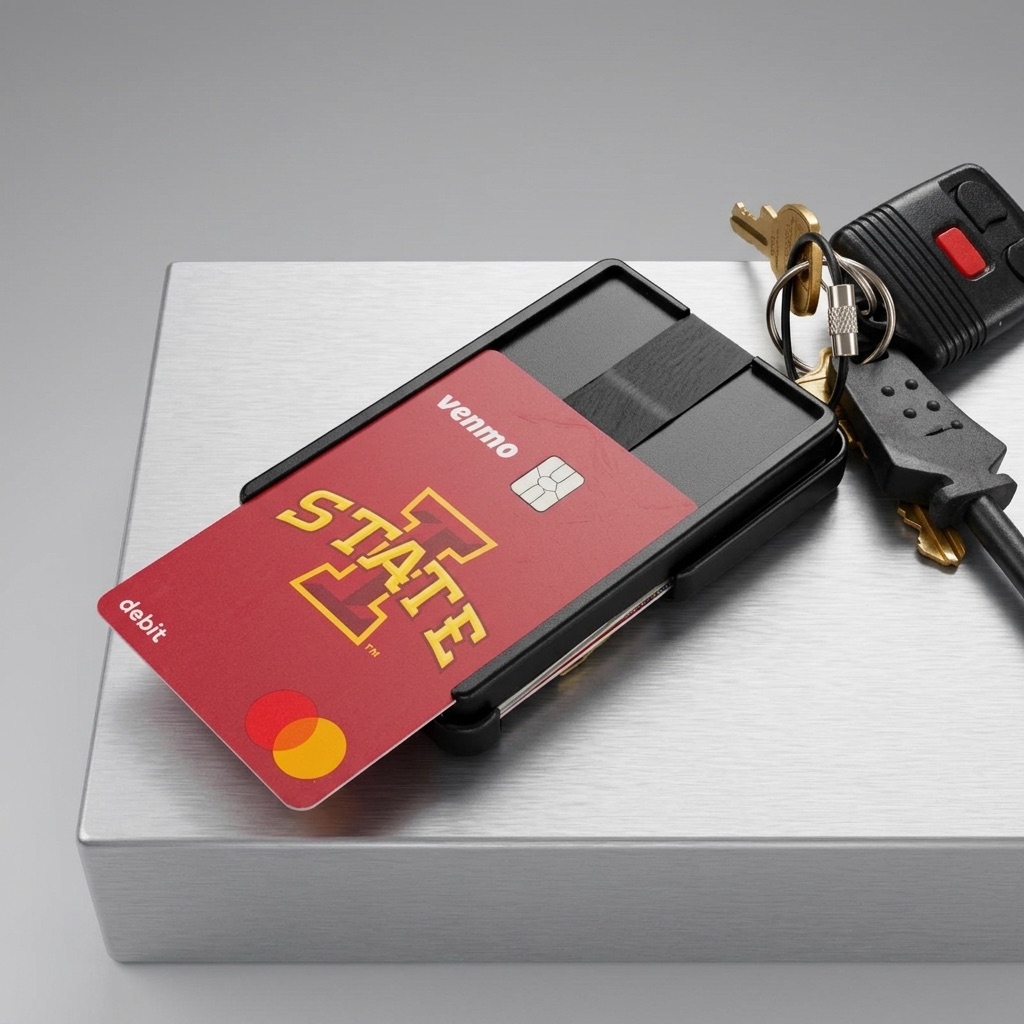
A slim wallet that holds a few cards and cash is better than a bulging one that broadcasts how unprepared you are. The wallet for college students the Metal Brik keeps everything in a compact aluminum body with RFID protection for the main card slot, which matters when you are in crowded markets or train stations.
Make digital copies of every document: passport, visa, insurance card, student ID. Email them to yourself and store them in cloud storage. If something goes missing, you will thank yourself.
- Passport. Keep it secured. Bring a photocopy for daily use if your program allows it.
- Two debit/credit cards. One for daily use, one locked in your room as backup. At least one should have no foreign transaction fees.
- Travel insurance card. Your university program likely provides this. Know how to use it before you land.
- Student and host university ID. You will need these for discounts, library access, and getting into buildings.
Clothing: The Carry-On Challenge
If you are studying abroad for a semester, you still should not check more than one bag. Laundry exists everywhere. Pack seven days of clothes, not fourteen. Prioritize items that layer and work across contexts: class, a weekend trip, and a nice dinner.
Black jeans, neutral tops, one versatile jacket, and one pair of shoes that can go from cobblestones to a cafe. That covers 90 percent of situations. Buy anything else locally. It will be cheaper and fit the culture better anyway.
Leave room in your bag for things you will bring back. Students who pack a full suitcase out end up shipping boxes home, which is expensive and annoying. Pack light going out and come home with stories and souvenirs instead.
Tech and Daily Carry
A universal power adapter is mandatory. Buy one before you leave because airport versions are overpriced. A small power bank keeps your phone alive on travel days. Noise-canceling earbuds pull double duty on long flights and in loud dorms.
For daily carry on campus abroad, you want your phone, your wallet, your student ID, and a pen. That is it. A small crossbody bag or a packable daypack handles the rest. Keep the college wallet in a front pocket so you are not digging through a bag at every metro turnstile.
Check out the college daily carry routine for a framework that travels well internationally.
- Universal power adapter. Buy before you leave. Get one that covers multiple plug types.
- Power bank. 5,000 to 10,000 mAh is enough. Heavier banks are not worth it.
- Laptop and charger. Bring whatever you already use. Buying a new one abroad for compatibility reasons is almost never necessary.
- Unlocked phone or local SIM plan. Check if your carrier has international plans. Otherwise, buy a local SIM within the first day.
What to Leave Behind
Leave the hair dryer. Leave the full-size toiletries. Leave the extra pair of sneakers you might need. Leave anything you can buy for under $20 if you actually need it. Leave the bulky wallet stuffed with loyalty cards you have not touched in six months.
The goal is a bag you can carry comfortably through an airport, onto a train, and up four flights of stairs to your dorm. Every item you leave behind is a problem you will not have.
Quick answers
How many bags should I bring for a semester abroad?
One carry-on and one personal item if possible. One checked bag at most. You can do laundry. Pack for a week, not a semester.
Do I need to bring a lot of cash for study abroad?
Bring enough for your first day or two. After that, use a debit card with no foreign transaction fees. Keep a small emergency cash reserve in a separate spot from your wallet.
What should I carry every day while studying abroad?
Phone, wallet with your key cards and some local cash, student ID, and earbuds. Everything else lives in your room.