
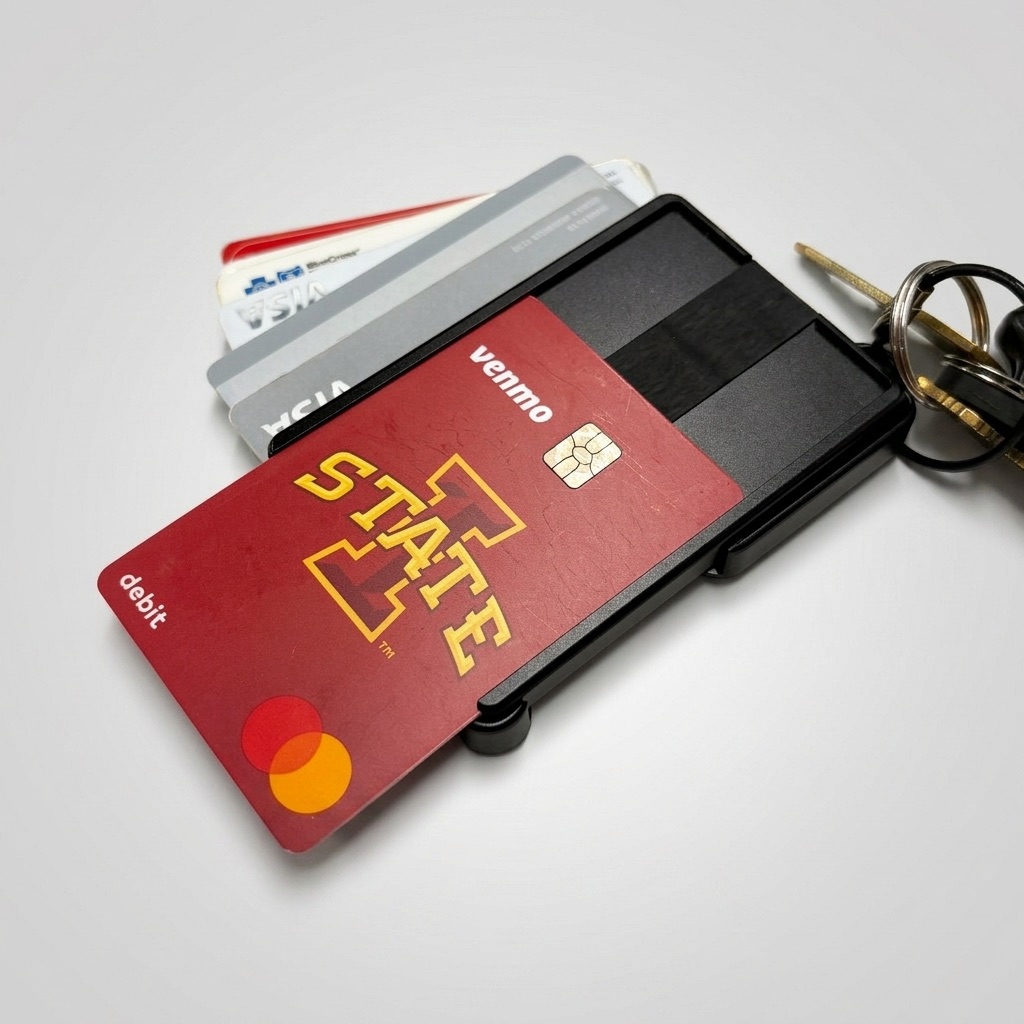
The best graduation gifts that aren't just money share one trait: they survive the transition. A grad is about to move, possibly twice, into a dorm, a first apartment, or a childhood bedroom (temporarily, everyone insists). A great gift is something they'll use daily in all three places.
Cash is fine. Cash is also anonymous, and it tends to dissolve into a security deposit within six weeks. Here's how to give something that sticks.
Why cash is fine but forgettable
Nobody remembers who gave them $50. They remember the aunt who gave them the skillet they still cook with and the uncle who gave them the toolkit that has rescued four apartments. Cash solves this month. A good object solves a category of problem for years and carries your name every time it gets used.
If you're comparing graduation gifts, apply the transition test below before anything else.
Criteria: will it survive the transition?
- It fits in one box. Grads move constantly for about five years. Anything large or fragile becomes cargo by move number two.
- It gets used weekly or daily. Daily-use items compound in value. Novelty items decay on a shelf.
- It works in a dorm and an office. Don't assume a lifestyle. First jobs, grad school, and gap years all happen.
- They wouldn't buy it themselves. Grads buy the cheap version of everything. The gift opportunity is the good version.
8 graduation gift ideas that aren't cash
- A daily-carry upgrade. A real wallet to replace the rubber-banded card stack. The Metal Brik ($69.99) fits the brief: black anodized aluminum, RFID-protected slots for 7-8 cards, a removable keyring for the new apartment keys, and a rechargeable tracking card so a missing wallet can be rung from a phone. It was invented by a college student, Asray Gopa at Iowa State, after a lost dorm key cost him $160 to replace.
- Luggage that survives an airport. A hard-shell carry-on typically runs $100-$250 and covers a decade of holidays home and work trips.
- A real toolkit. Around $30-$70 for a basic kit. Every first apartment requires exactly one screwdriver at exactly 9 pm.
- Quality bedding. Dorm and first-apartment mattresses are public enemies. A good topper or real sheets typically run $50-$150.
- A proper coffee setup. A burr grinder or a simple pour-over kit, typically $30-$100, quietly replaces hundreds of coffee-shop purchases a year.
- A professional bag. A clean, logo-free backpack or work bag, typically around $60-$150, that works for interviews and daily commutes alike.
- A cast iron skillet. Typically around $20-$40, functionally immortal, and it forces them to learn to cook at least one thing.
- A car emergency kit. Jumper cables, a tire inflator, a flashlight. Typically under $75, and it converts future panic into mere inconvenience.
The best move: pair a small gift with cash
You don't have to choose. The strongest graduation gift is a useful object with money tucked inside it: cash folded into a wallet, a check taped inside a toolkit lid, a gift card riding in the new luggage. The object makes it memorable; the cash makes it practical.
Browse graduation gifts with that combo in mind and you cover both bases: something they need this month and something they'll still be using in five years.
Quick answers
How much should you spend on a graduation gift?
Close family typically spends around $100-$300; friends and extended family around $25-$100. A useful $70 object often lands better than a forgettable $150 check.
What do new grads actually need most?
Things for the move: daily-carry gear, kitchen basics, bedding, tools, and luggage. Their next two years are mostly logistics.
Is it OK to just give cash?
Completely. If you want it remembered, pair it with a small daily-use object so the gift has a face.