
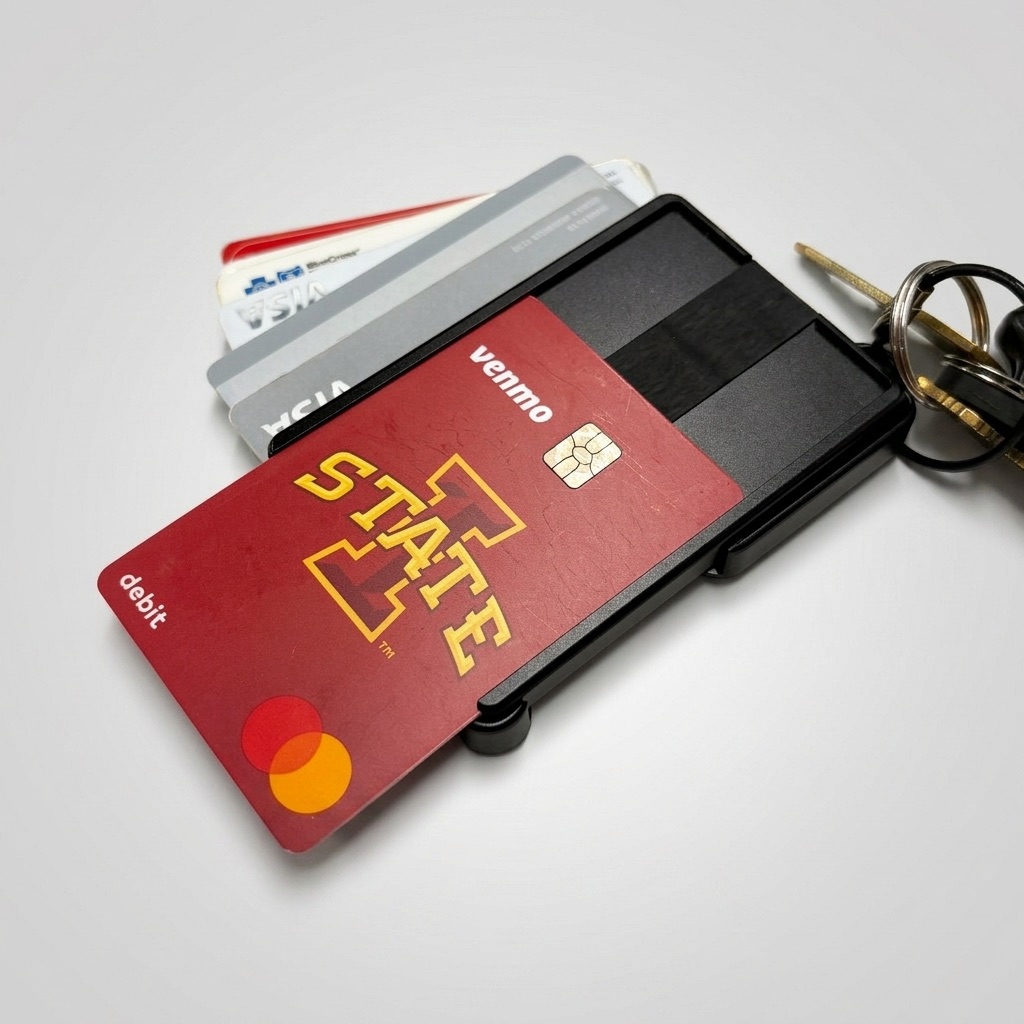
The man who has everything doesn't have everything. He has everything he thought to buy. The gift gap is in four places he never looks: upgrades of mundane daily items, consumable luxuries he'd call frivolous, experiences, and services that maintain what he already owns.
He's not hard to shop for because he's picky. He's hard to shop for because he closes his own gaps the moment he notices them. Your job is to find the gaps he doesn't notice.
The four gaps
- Daily items he never optimizes. His wallet, belt, socks, keys, and umbrella are all 'fine,' meaning he stopped evaluating them years ago. Upgrades here get used hundreds of times a year.
- Consumable luxuries. Great coffee, aged steak, the good olive oil. He'd never spend that on himself, which is precisely the definition of a gift.
- Experiences. A ballgame, a course, a tasting. Zero storage cost, which matters to a man whose objection to gifts is drawer space.
- Services for things he owns. Knife sharpening, watch servicing, a car detail. You're not adding to his stuff; you're maintaining it, which is his love language anyway.
9 ideas that actually land
- The wallet he'd never replace himself. His current one is 'fine' and shaped like a sandwich. The Metal Brik ($69.99) is the category upgrade: machined aluminum, 7-8 cards behind RFID, keys on an integrated ring, and a rechargeable tracking card so it can be rung from his phone. It replaces three pocket items, adding nothing to the drawer.
- Coffee beyond his usual. A few bags from a serious roaster, typically $18-$25 each. Consumable, so it never becomes clutter.
- A knife sharpening service. Around $10 a knife. His kitchen gets objectively better and he keeps his own knives.
- Steaks he wouldn't buy. Butcher-grade, typically $60-$120 for a proper set. This gift gets discussed for months.
- Tickets, not things. A game, a show, a track day. Bonus points if you go with him, which is usually the actual gift.
- Merino socks in bulk. Around $15-$25 a pair. The man will not stop mentioning them. This is a documented phenomenon.
- A watch service or strap. Servicing an heirloom or a quality strap, typically $20-$150, honors a thing he already loves.
- The good version of his hobby consumable. Premium line for the fisherman, better filament for the printer guy, the nice chalk for the climber. Specificity does all the work here.
- A full car detail. Typically $150-$300. He's been meaning to. He was never going to.
What never works
Novelty items (used once, stored forever), gadgets that require a subscription (a recurring bill dressed as a gift), and anything whose primary feature is being monogrammed. If it needs his initials to be interesting, it isn't.
The pattern in everything that works: it's either gone in a month or used every day. For the daily end of that spectrum, start with the thing in his back pocket right now: the Metal Brik upgrade path, or if he's a dad, the fuller Father's Day playbook.
Quick answers
What do you get the man who buys himself everything?
Look where he doesn't: upgrades of daily items he stopped evaluating (wallet, belt, socks), consumable luxuries, experiences, and services that maintain things he owns.
Are experience gifts better than physical gifts for these men?
Often, because their real objection is clutter, not gifts. An experience or consumable has zero storage cost. A daily-use upgrade is the physical exception that works.
How much should you spend?
Whatever the category costs done well. $25 of exceptional coffee beats a $150 gadget with a subscription. Specificity impresses this man; price doesn't.