
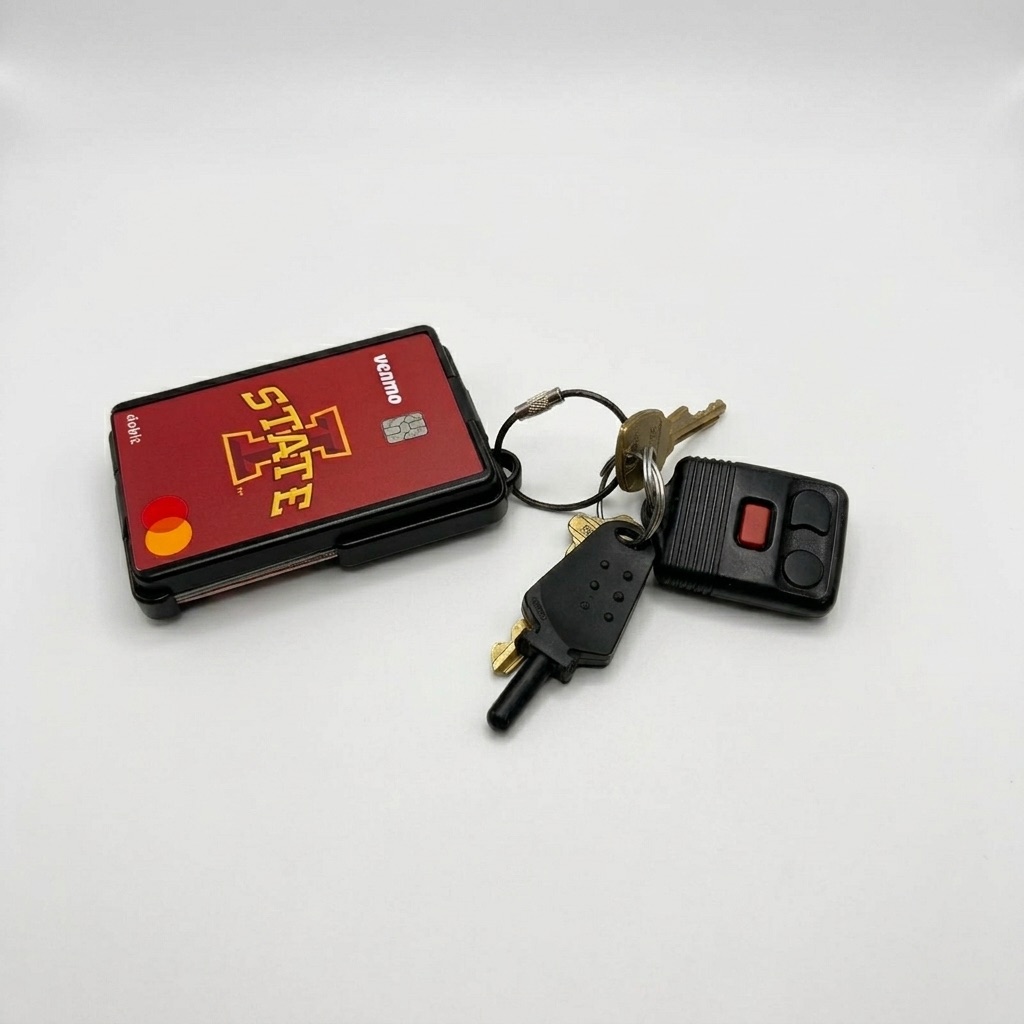
Your core EDC stays the same year-round: wallet, phone, keys. What changes with the seasons is what surrounds that core, how you carry it, and what extras earn a pocket slot based on the conditions.
What Changes in Summer
Summer brings fewer pockets and more hostile conditions for your gear. Shorts and lighter pants have shallow pockets, no room for bulk. Heat and humidity affect leather, phone batteries, and anything that holds moisture.
The summer carry adjustment is mostly subtraction. Cut the extras. Carry what you need for the day, not the week. A slim wallet earns its place here more than any other season.
Summer also often means beach days, festivals, and outdoor events where your kit needs to survive sweat, sand, and sun. Materials that handle those conditions without warping or absorbing odors are the right choice.
What Changes in Winter
Winter gives you more pockets (coats, jackets, flannels) but introduces its own complications. Gloves make accessing your phone and wallet slower. Cold temperatures drain batteries faster. And the temptation to fill all those extra pockets is real.
Winter carry additions that actually earn their place: hand warmers for extended outdoor time, lip balm (genuinely useful in dry cold air), and a small flashlight since it gets dark early.
What doesn't change: your core wallet, phone, and keys. Same items, just in coat pockets instead of pants pockets.
The Seasonal Swap Checklist
Instead of rethinking your entire carry twice a year, build a simple seasonal checklist.
- Summer: go slimmer. Fewer cards, lighter wallet, no extras that don't earn their place in heat and limited pockets.
- Summer: material check. Is your wallet sweat and humidity resistant? If not, consider a swap to something more durable for the season.
- Winter: add purposefully. Hand warmers, lip balm, and a light source are the legitimate additions. Resist filling all the new pocket space.
- Winter: assign pockets. More pockets means more chances to forget where things are. Assign spots and keep them consistent across layers.
- Both seasons: core stays the same. Wallet, phone, keys. The rest is context-dependent.
Your Wallet Across Seasons
The ideal wallet for year-round use handles both extremes: it's slim enough for shorts pockets in summer and fits cleanly in coat pockets in winter. It doesn't absorb moisture in heat and isn't damaged by cold.
A rigid aluminum wallet like the Metal Brik checks both boxes. The water-resistant body handles summer conditions without warping. In winter, it sits flat in a coat pocket and the front ID slot still works with light gloves. It's the same wallet either season, which simplifies the whole swap question.
The tracking card included with the Metal Brik is a year-round feature too. Wallets go missing in all seasons, and being able to ring it from your phone or check its location is as useful in a winter coat as it is at a summer beach.
When to Actually Make the Swap
The transition points are easy to identify: when you stop wearing a coat is when you do the summer audit. When you start wearing a coat is when you do the winter addition check. Takes five minutes each time.
For more on the summer carry specifics, see the beach and summer EDC guide. For cold weather specifics, see the cold weather EDC guide. And if you're rethinking your wallet as part of the seasonal reset, start at the EDC wallet page.
Quick answers
Should I have a separate summer and winter wallet?
Not necessary if your wallet handles both conditions. A rigid, water-resistant wallet works year-round. The seasonal swap should be about what's around the wallet, not the wallet itself.
What's the biggest EDC mistake people make seasonally?
In summer: not slimming down when pocket space decreases. In winter: filling extra pocket space with things that don't belong in daily carry.
Does cold weather actually affect my EDC gear?
Phone batteries drain faster in cold. Leather wallets stiffen and can crack in extreme cold over time. Rigid aluminum wallets have no cold-weather issues.
How often should I audit my EDC?
A seasonal audit (twice a year) catches most drift. A monthly five-minute check keeps things from building up between the bigger reviews.