
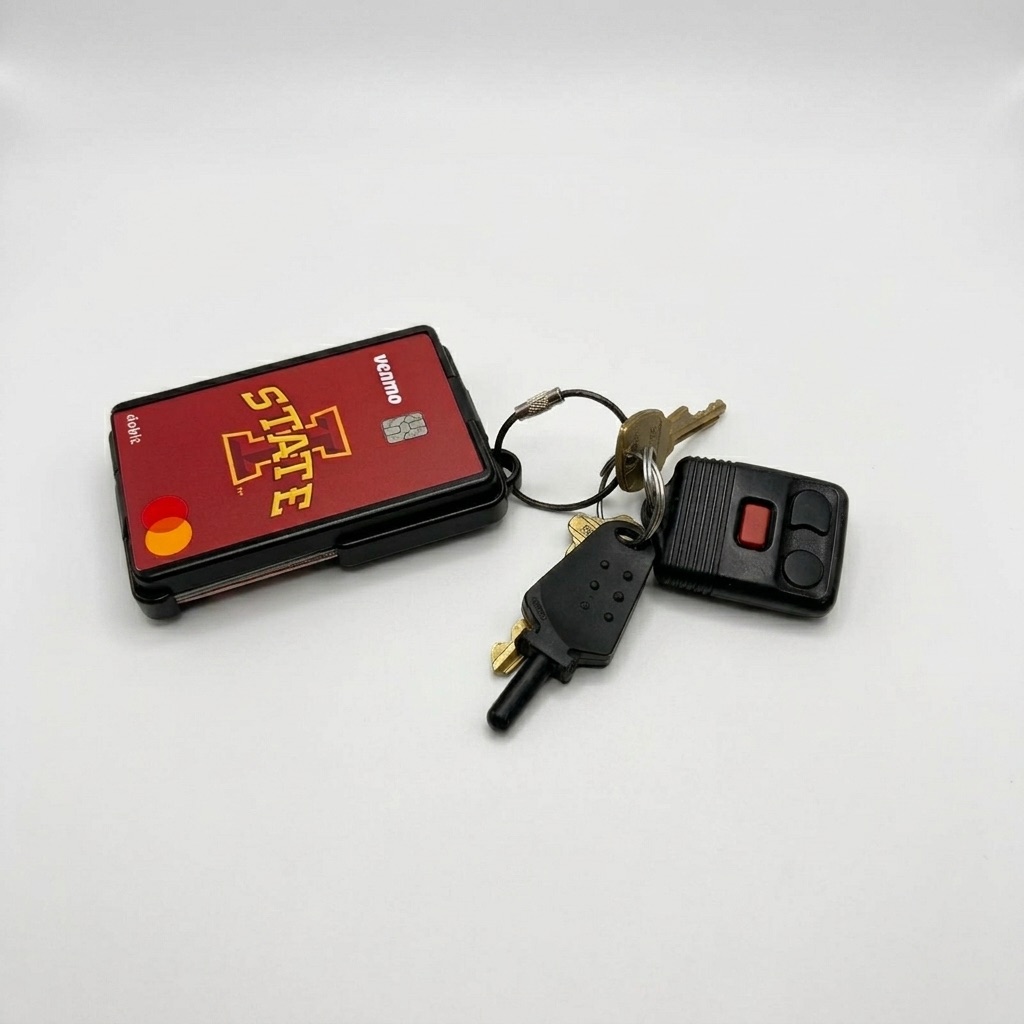
The best wallet for the gym is one small enough to fit in a shorts pocket, secure enough not to fall out during a lift, and light enough that you forget it is there. That usually means a slim card holder or structured slim wallet with two to four cards. A traditional bifold has no place in a gym bag.
Most people bring too much to the gym. Your gym session requires your gym membership card or app, one payment card for post-workout food or a smoothie, and your ID. Three items. Everything else is sitting in a locker getting potentially stolen while you are on the squat rack.
Why Bulk Is a Problem at the Gym
A thick wallet in gym shorts is uncomfortable during most exercises. It digs in during deadlifts. It falls out of shallow shorts pockets. It gets set on a bench and gets left behind. The smaller and lighter your gym carry, the less you think about it.
Gym lockers are not uniformly secure. Theft from gyms is more common than most people realize. Bringing your entire wallet, with all your cards, cash, and potentially your driver's license, to the gym creates unnecessary exposure. Your gym carry should have the minimum that makes your workout possible.
What to Actually Carry at the Gym
A gym-specific carry of two to four cards is plenty for most people.
Check whether your gym membership is on an app. Most major chains have moved to app-based check-in. If yours has, you may not need a physical gym card at all. Your phone covers membership and payment, and your driver's license is the only physical item.
If you prefer not to bring your primary card to the gym, keeping a dedicated low-limit card for gym use is a reasonable precaution. It limits exposure if something goes wrong.
- Gym membership card. Or your phone if your gym uses an app.
- One payment card. For post-workout purchases. A low-limit card dedicated to gym use reduces theft exposure.
- Your ID. Required for most situations where you might need to identify yourself unexpectedly.
Features That Matter for Gym Use
Look for a wallet that fits in a shorts pocket without creating a lump. Slim card holders and structured card wallets work well. Anything over half an inch is going to shift around during dynamic movements.
Secure card retention matters more at the gym than anywhere else. A wallet where cards can fall out when it tips over is a liability when you are moving around. Look for wallets where cards require intentional effort to remove.
Water resistance is a bonus. Gym environments have sweat, water bottle spills, and locker room moisture. A wallet that can handle incidental moisture without warping is more durable for gym use.
The EDC wallet is machined from anodized aluminum with a water-resistant body, which handles gym conditions without issue. Its slim profile fits in shorts pockets comfortably.
Should You Track Your Gym Wallet?
If you are a person who regularly misplaces things in a gym bag, a wallet with a tracker card is genuinely useful. Gym bags are a black hole for small items.
The EDC wallet includes a removable tracker card that lets you ring the wallet from your phone or see its location on a map. If it slides out of your bag at the gym, you know exactly where it went. Battery lasts up to six months per charge and recharges on any wireless charger.
For most people, the tracker is an occasional lifesaver rather than a daily necessity. But the gym is one environment where misplacing your wallet happens often enough that it earns its place.
Quick answers
Should I bring my full wallet to the gym?
No. A minimal two to four card carry reduces what you stand to lose and is more comfortable during workouts. Leave your full wallet in your car or at home.
Where should I keep my wallet during a workout?
Front pocket of gym shorts or a secured locker. Avoid setting it on equipment or benches where it can be forgotten or taken.
Is it safe to leave my wallet in a gym locker?
Lockers vary. Most are reasonably secure but not theft-proof. Bringing only your minimum carry limits what you stand to lose even if a locker is compromised.